Connecting data, delivering value: Fujitsu's first step in fisheries traceability (Part 1)
Interview


-1024x544.png)
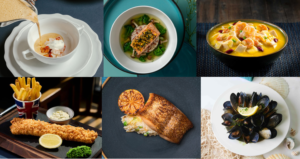
Bringing together hotels, restaurants, retailers and seafood businesses across Hong Kong, Macao and Singapore, the Sustainable SEAFood Festival introduces consumers to dishes made with responsibly sourced seafood. The Festival, organized by Hong Kong Sustainable Seafood Coalition (HKSSC) and proudly sponsored by Global Seafood Alliance (GSA), celebrated its fifth anniversary in June 2026.
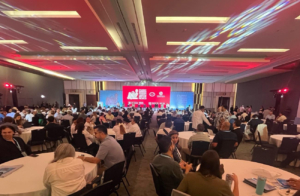
This year’s program involved more than 45 participating businesses, over 90 specially curated dishes, and 25-plus premium seafood species. The month-long Sustainable SEAFood Festival wrapped up on June 30 with an impactful business forum. More than 100 industry leaders, including producers, suppliers, hotel representatives, chefs, procurement professionals, certification bodies, sustainability specialists and investors, gathered to discuss the future of the seafood sector.
Sustainable SEAFood Festival Official site
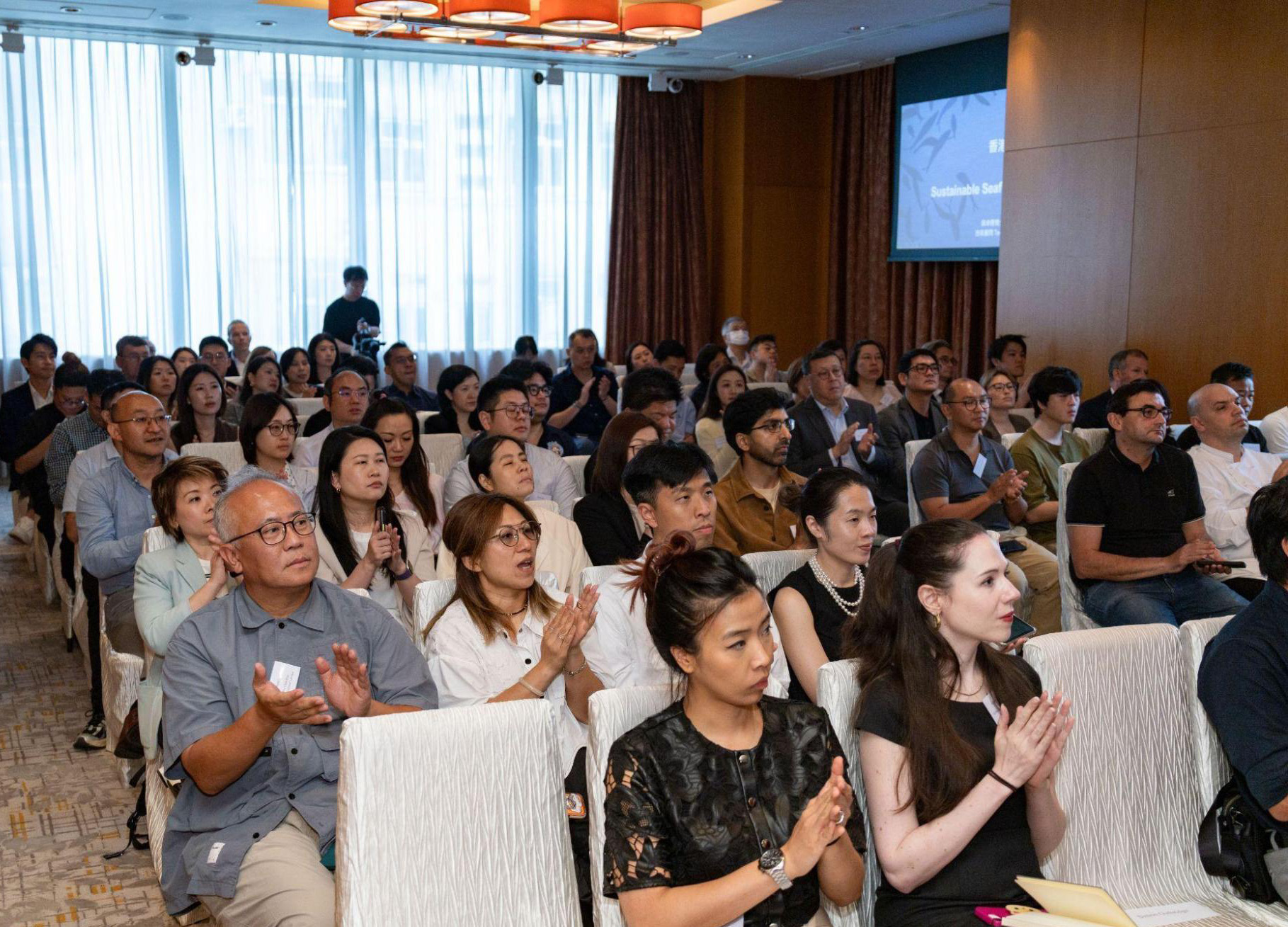
The most significant change over the festival’s first five years, however, cannot be measured only by the number of participants, products or dishes.
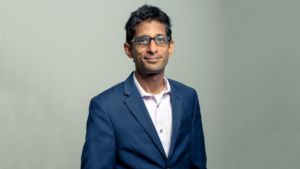
In her opening remarks, HKSSC Secretariat Mandy Wong reflected on how much the landscape has evolved since the festival first launched, on behalf of the Chairman Benjamin So from 178 Degrees, a founding corporate member of HKSSC. At that time, much of the work around sustainable seafood focused on raising awareness among buyers and sellers. Five years later, the conversation has expanded to include supply-chain risk, business resilience, responsible procurement and investment in sustainable seafood production.
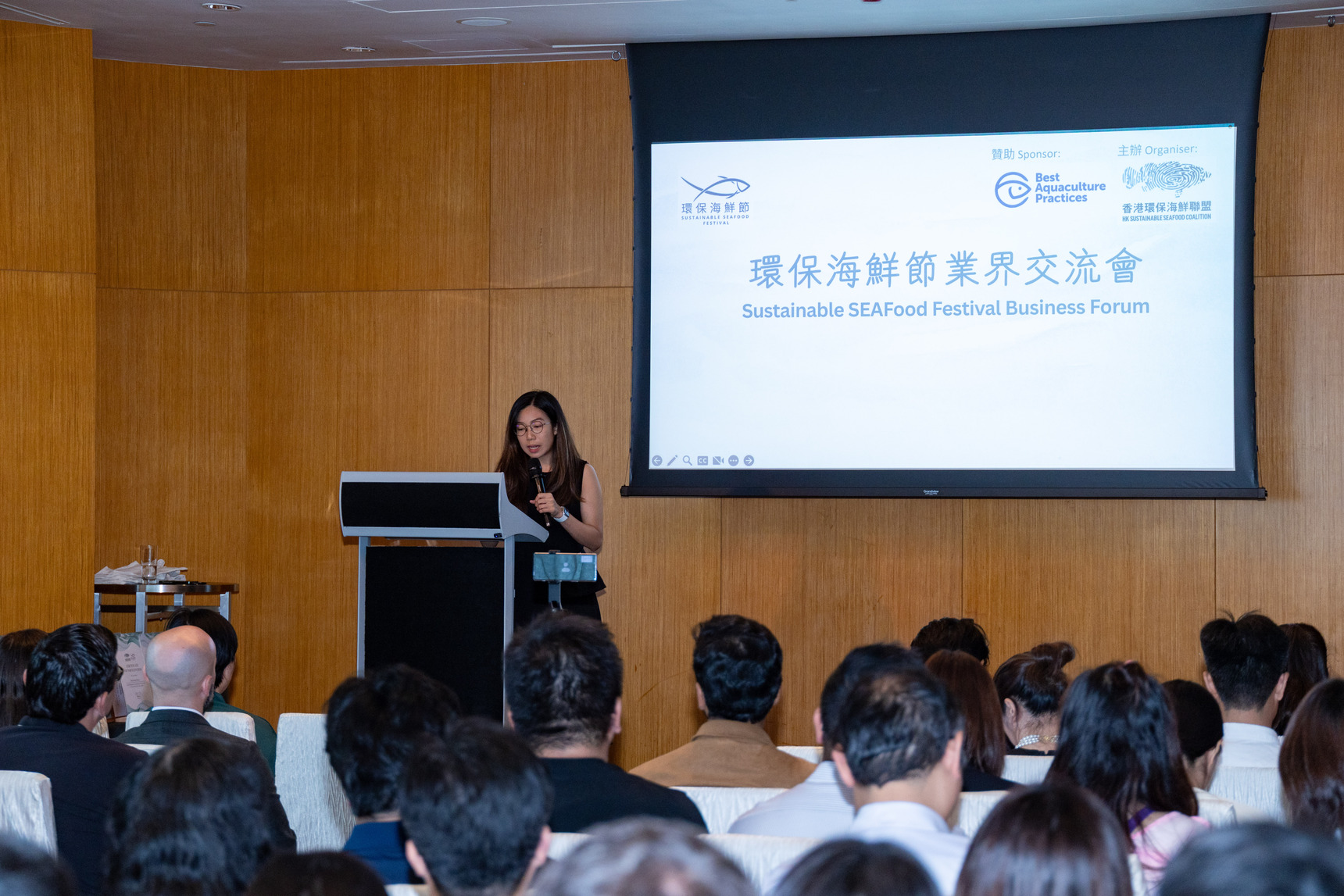 HKSSC Secretariat Mandy Wong
Sustainable seafood is gradually moving beyond the domain of environmentally conscious consumers and a small group of pioneering companies. It is increasingly being recognized as a strategic business issue that affects supply security, corporate risk and long-term competitiveness.
This transition is not unique to Hong Kong. Across East Asia, businesses are being asked to respond to climate change, biodiversity loss, illegal, unreported and unregulated (IUU) fishing, human rights risks and increasing expectations for supply-chain transparency. At the same time, companies must navigate differences in regulations, certification coverage, consumer awareness and seafood availability from one market to another.
The fifth Sustainable SEAFood Festival therefore offered more than a progress report on Hong Kong. It provided a practical example of how an East Asian seafood market can move from awareness-raising toward market transformation.

Hong Kong is one of the world’s major seafood-consuming markets. Its annual per-capita seafood consumption is estimated to be almost three times the global average. At the same time, more than 85 per cent of the seafood supplied to Hong Kong is imported from over 160 countries and territories.
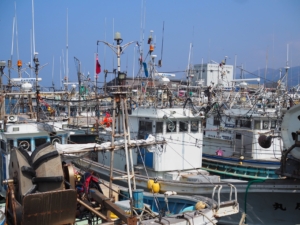
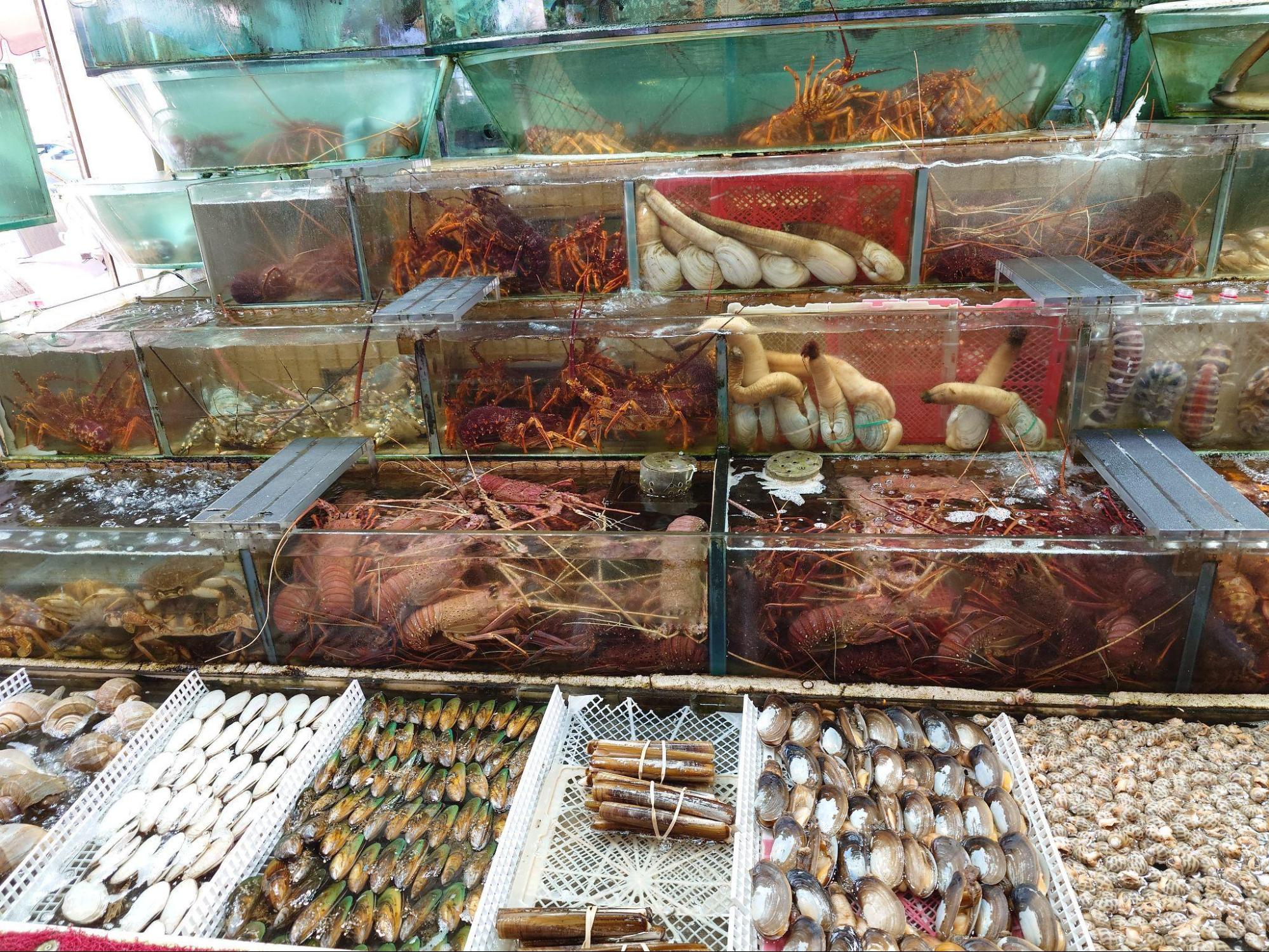 You can find abundant seafood in the Hong Kong seafood market.
Purchasing decisions in Hong Kong can therefore affect fisheries and aquaculture operations far beyond the city. Hong Kong is also highly exposed to disruptions in international seafood supply chains, including those caused by climate change, resource depletion, IUU fishing and geopolitical instability.
Similar conditions exist across much of East Asia. Mainland China, South Korea, Taiwan, Japan and other markets are major producers, importers, processors and consumers of seafood. Their supply chains are deeply interconnected, with products often crossing several borders before reaching the final consumer.
This means that no seafood market can achieve sustainability on its own. A sourcing decision made by a hotel in Hong Kong, a retailer in China or a food-service company in South Korea may affect producers, processors and workers elsewhere in the region.
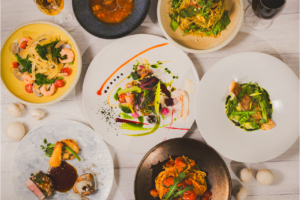
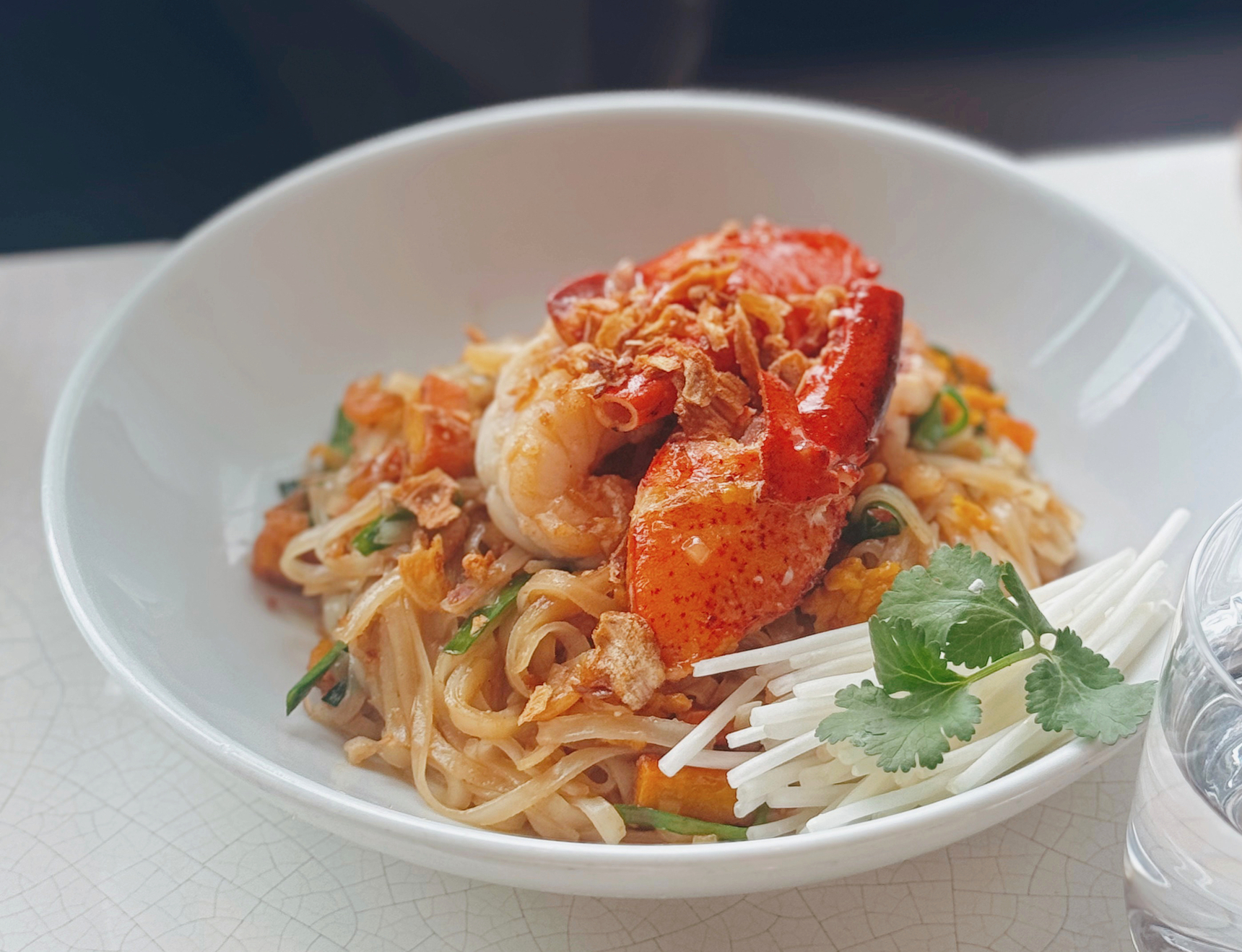 Lobster Pad Thai, Boston lobster, flat rice noodles, tamarind sauce, peanuts. This photo is courtesy of Grand Cafe, Grand Hyatt Hong Kong.
Responsible sourcing in such a complex system cannot be achieved simply by purchasing products carrying a certification label. Businesses need to understand what species they are buying, where it comes from, and how it was caught or farmed. They must assess risks, improve traceability, and, where appropriate, support producers working towards better practices.
HKSSC supports its members by helping them develop procurement policies, conduct product-specific risk assessments, communicate with suppliers and build internal capacity.
Importantly, a medium- or high-risk assessment does not necessarily mean that a buyer must immediately stop sourcing products. When a fishery or farm participates in a credible improvement project, measures its progress, and discloses its results, continued market demand can incentivize further improvement.
“What we value is improvement,” the Technical Advisor of HKSSC, Dr. Loby Hau explained.
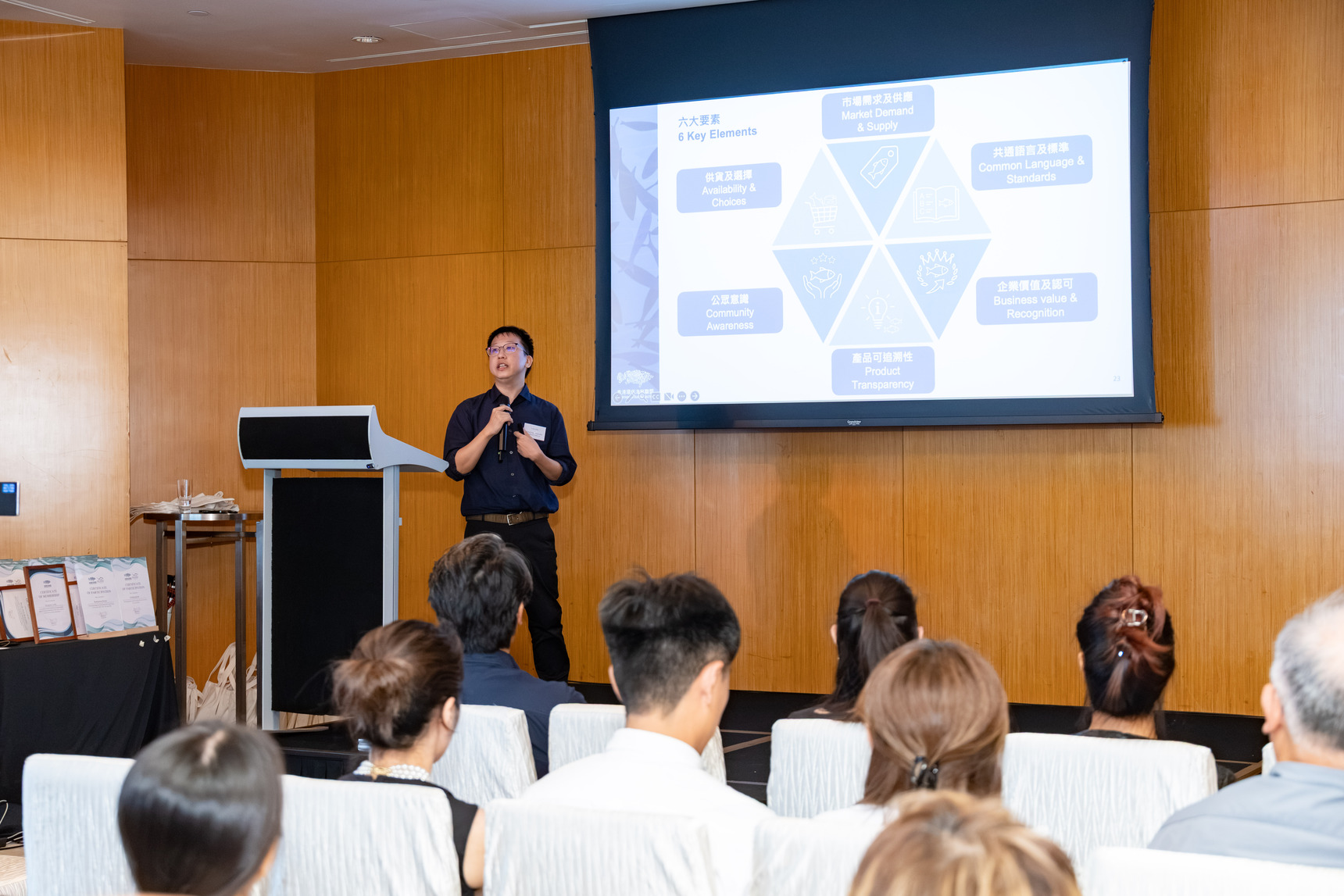 Technical Advisor of HKSSC, Dr. Loby Hau
This approach is particularly relevant in East Asia, where certified seafood is not equally available across species, production systems and markets. Small-scale fisheries and local aquaculture producers may lack the financial resources or organizational capacity required to obtain certification, even when they are making meaningful improvements.
The objective of market transformation is therefore not merely to identify a limited number of products that already meet the highest standards. It is also to use long-term commercial relationships, technical support and purchasing power to move a much broader range of producers and supply chains towards sustainability.
Another recurring theme at the forum was the value of locally produced seafood.
Speakers noted that many Hong Kong consumers still perceive imported food as being of higher quality than locally produced alternatives. As a result, seafood farmed or caught in Hong Kong is not always recognized or valued by the people who consume it.
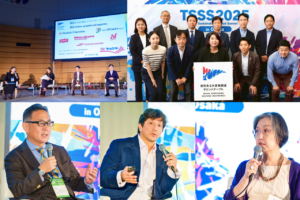
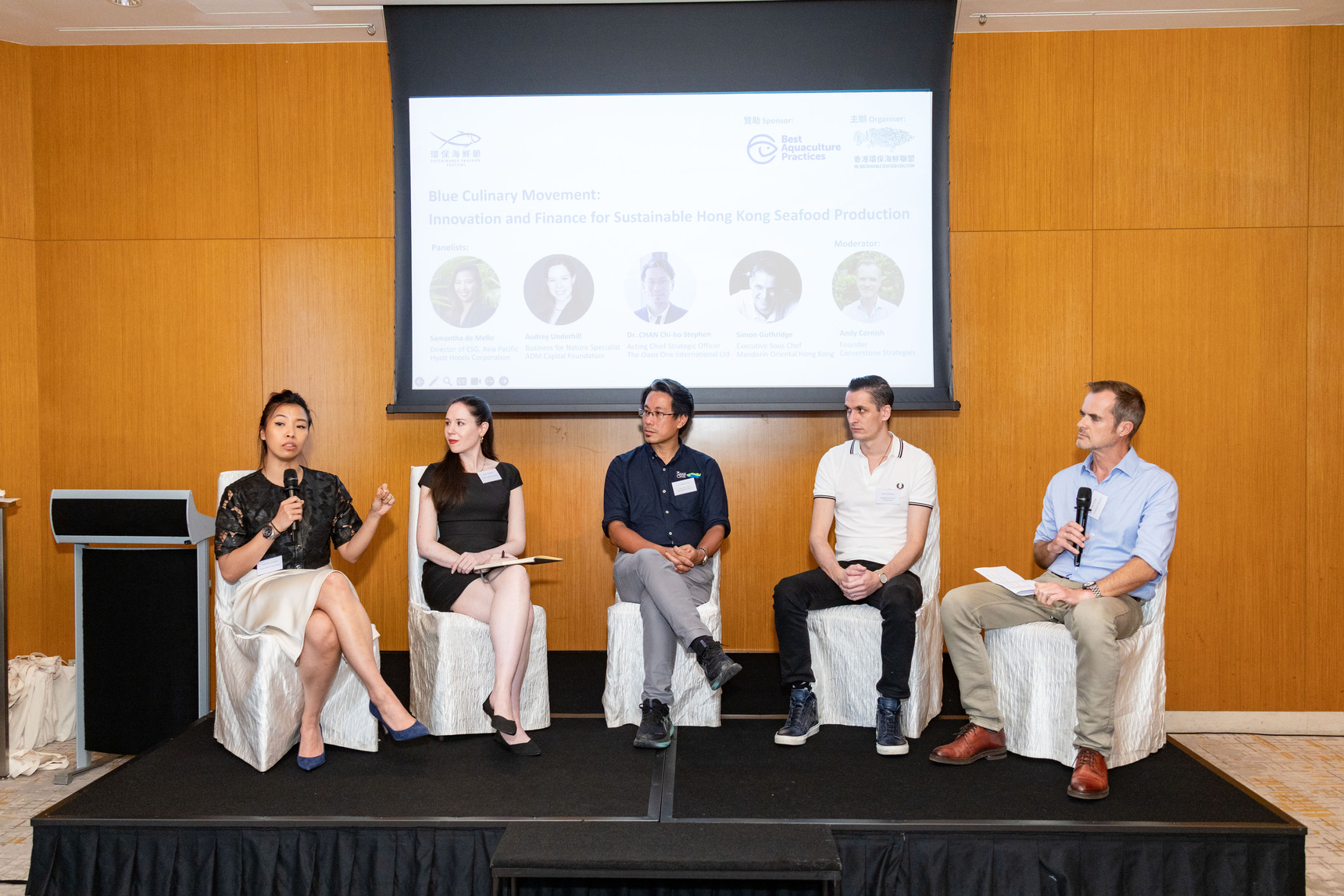 Samantha de Mello, the first from the left.
Samantha de Mello, Director of ESG, Asia Pacific at Hyatt Hotels Corporation, contrasted this with markets such as Australia and New Zealand, where consumers often identify agricultural products by state or region and take pride in buying food produced close to home.
They may know that a vegetable, fish, or other ingredient came from a producer only a short distance away.
In Hong Kong, the connection between local producers and the dishes served to consumers is often less visible.
This challenge is familiar across East Asia. Although food culture and consumer attitudes differ between markets, imported products are frequently associated with premium quality, while domestic or locally produced seafood may be judged primarily on price. Consumers may know a species’ name without knowing where it was produced, who produced it, or how the surrounding ecosystem was managed.
Changing the perception that “imported is better” requires more than increasing local production. Businesses also need to articulate the value of seafood produced closer to home. It may support local livelihoods, shorten supply chains, strengthen food-system resilience, and give buyers better access to information about production methods.
This does not mean that local seafood is inherently sustainable. Local products must still be assessed for traceability, environmental impact, and labor conditions. However, closer relationships between buyers and producers can make it easier to ask questions, identify risks, and work together on improvements. This lesson applies to every East Asian market, whether the producer is located in each area.
Hotels, restaurants and chefs have a particularly important role in building this connection.
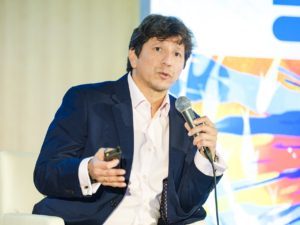
 Simon Guthridge, the middle of the panelists.
Simon Guthridge, Executive Sous Chef at the Mandarin Oriental, Hong Kong, observed that, after all the work carried out by corporate management, sustainability teams and procurement departments, “at the end of the day, it comes down to the chef.”
Seafood cannot become part of everyday responsible consumption unless it is also made appealing and delicious. Chefs can turn sourcing policies, production methods, and sustainability data into an experience consumers can understand and enjoy.
He also stressed the importance of chefs visiting farms and meeting producers. When chefs see how seafood is raised, learn about the environmental challenges involved, and speak directly with the people behind the product, the story on the menu is no longer information copied onto a page. It becomes a story that the chef understands and genuinely believes in.
Promoting locally or regionally produced ingredients does not mean that every item on a hotel menu must come from the surrounding area. Hotels that serve diverse customers must balance quality, availability, seasonality, price, and guest expectations.
A more practical starting point may be to select one or two ingredients or dishes and communicate their origins particularly well. A seasonal dish can introduce guests to a producer, species, or production method. It can also demonstrate that responsibly produced local seafood is not a compromise, but an ingredient capable of meeting the expectations of a high-quality restaurant.
For companies operating across several East Asian markets, this approach also helps bridge global corporate commitments and local realities. A common responsible-sourcing policy can provide overall direction, while chefs and procurement teams adapt its implementation to the seafood species, suppliers, and production systems available in each location.
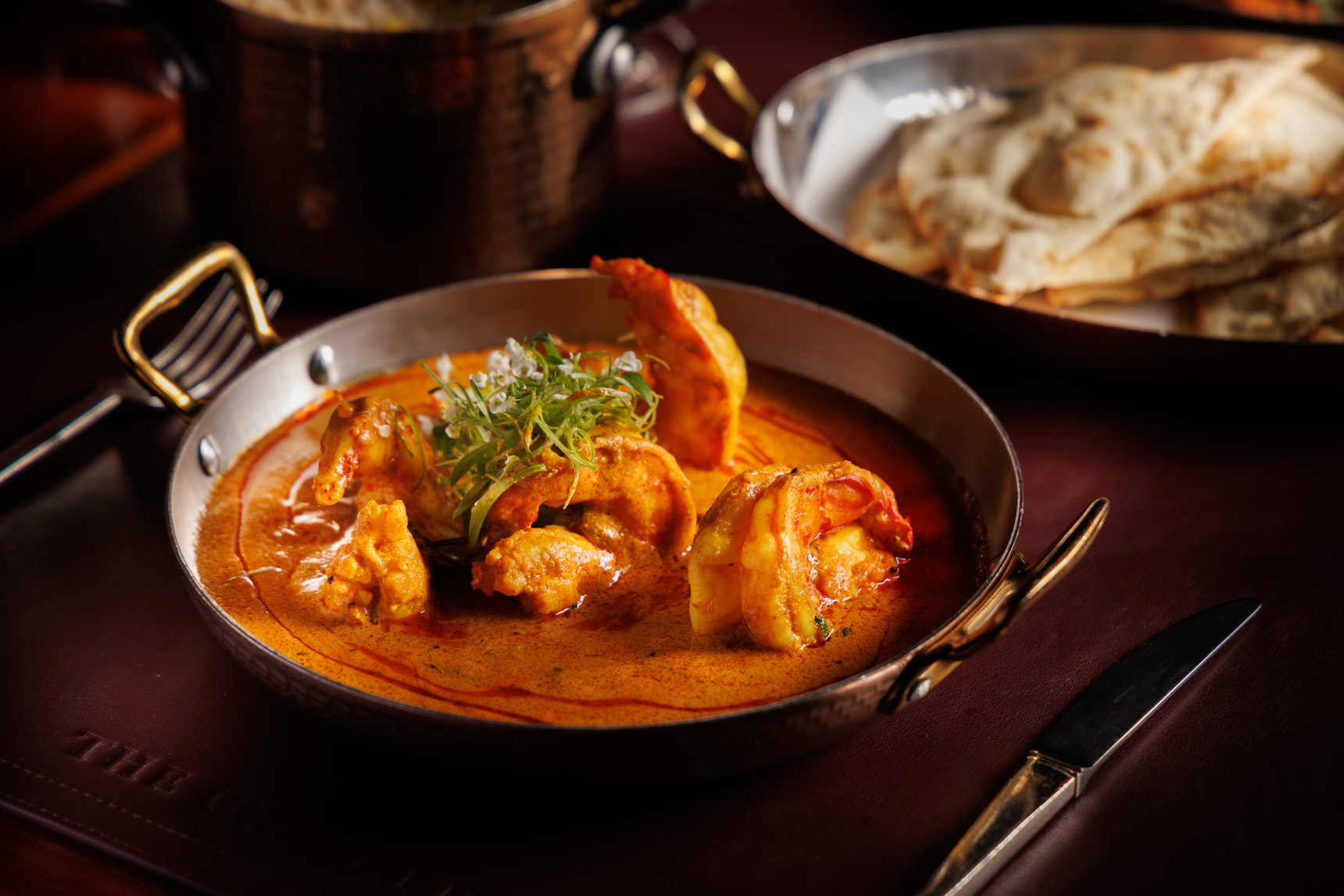 The Chinnery Feast – Tiger Prawn. This photo is courtesy of The Chinnery, Mandarin Oriental, Hong Kong.
Perspectives from the Hospitality Sector
Leads the domino effect
Simon Guthridge
Mandarin Oriental, Hong Kong, Executive Sous Chef
“The festival is an important initiative that reflects our hotel’s commitment to responsible sourcing stewardship and customer education as well.” The Mandarin Oriental, Hong Kong, Executive Sous Chef, Simon Guthridge, highlighted the festival’s impact.
The hotel has partnered with HKSSC for five to six years*, and Simon has joined the festival twice. He views the festival as an essential initiative that goes beyond a mere promotional event. It offers a practical way to combine culinary excellence, guest engagement, and environmental stewardship while delivering business value and fostering long-term environmental impact.
Sourcing sustainable seafood during the festival has been challenging. Particularly at the Cantonese restaurant, they were suggested to consider alternatives for items without sustainability evidence, such as sea cucumber and fish maw. Thanks to good supplier cooperation, the menu adjustments have been maintained over the last few years.
Overcoming this challenge came down to two key factors. One was HKSSC’s in-depth support regarding traceability. It is difficult to ensure traceability of Asian varieties of fish internally, therefore, HKSSC’s support was critical for the hotel. Specifically, HKSSC helped the kitchen team reduce their grouper selection from 12 or 14 varieties down to one sustainable option, guiding them on scientific names and visual identification of the fish.
The second one is workshops for kitchen staff, including chefs and procurement staff, to clarify why we need to work on seafood sustainability and which seafood items we can use.
The festival experience strengthened the relationship between the procurement department and the kitchen team. The procurement team now plays an active role in vetting suppliers. If a new chef attempts to order non-sustainable items, procurement alerts Simon immediately so they can provide alternatives.
Moving forward, the hotel aims to continue expanding its sustainable sourcing to include items currently deemed off-limits and further supporting local and regional fisheries, which is currently limited by the quantity of available supply.
“Hotels tend to follow each other. I think our Mandarin Oriental hotel should always lead. So when other hotels see five-star hotels making changes and commitments, it will have a domino effect. It just depends on when they will do it. It will be, but it will happen.”
Significant awareness growth among hotels
Samantha de Mello
Hyatt, Director of ESG, Asia Pacific, Hyatt Hotels Corporation
Hyatt hotels’ Hong Kong cluster consists of four hotels in Hong Kong: Grand Hyatt Hong Kong; Hyatt Regency Hong Kong, Sha Tin; Hyatt Regency Hong Kong, Tsim Sha Tsui; and Hyatt Centric Victoria Harbor Hong Kong.
Since joining the HKSSC in 2023, the four Hyatt hotels in Hong Kong have celebrated World Oceans Day each June with special dishes. “There has been a growing awareness of sustainable seafood among the hotels since the festival began,” Samantha noted. They have also provided internal training for their chefs and procurement teams to understand sustainable seafood certifications. Additionally, since choosing sustainable seafood requires expertise to identify a wide variety of fish species, this support is essential. Thanks to HKSSC’s expert guidance, they have successfully addressed these challenges.
She identified two future challenges: enhancing the sustainable seafood supply chain and seeking public sector support to maintain progress. “There are still difficulties in sourcing sustainable seafood.” While species like salmon or lobster are easier to source, others remain challenging. She emphasized the need for government assistance, saying, “There is a limitation in raising consumers’ awareness and scaling sustainable seafood production from the private sector.” It’s encouraging to see that efforts to promote sustainable seafood will persist, both within their hotel and in policy initiatives.
What distinguished this year’s business forum was placing culinary and procurement discussions alongside conversations about aquaculture technology and finance.
 Dr. Stephen Chan
Dr. Stephen Chan, Chief Strategy Officer at The Oasis ONE International Limited, presented their efforts to combine genetic selection, disease management, hatchery production and recirculating aquaculture systems. Rather than improving only one stage of production, the company aims to manage the entire chain, from broodstock and juvenile production through to grow-out, data collection and distribution.
Such systems may improve traceability, reduce disease risks and lower pressure on natural resources. They may also allow densely populated East Asian cities and coastal regions to develop technology-intensive, high-value aquaculture rather than competing solely through production volume.
Operating and scaling this kind of business, however, requires investment.
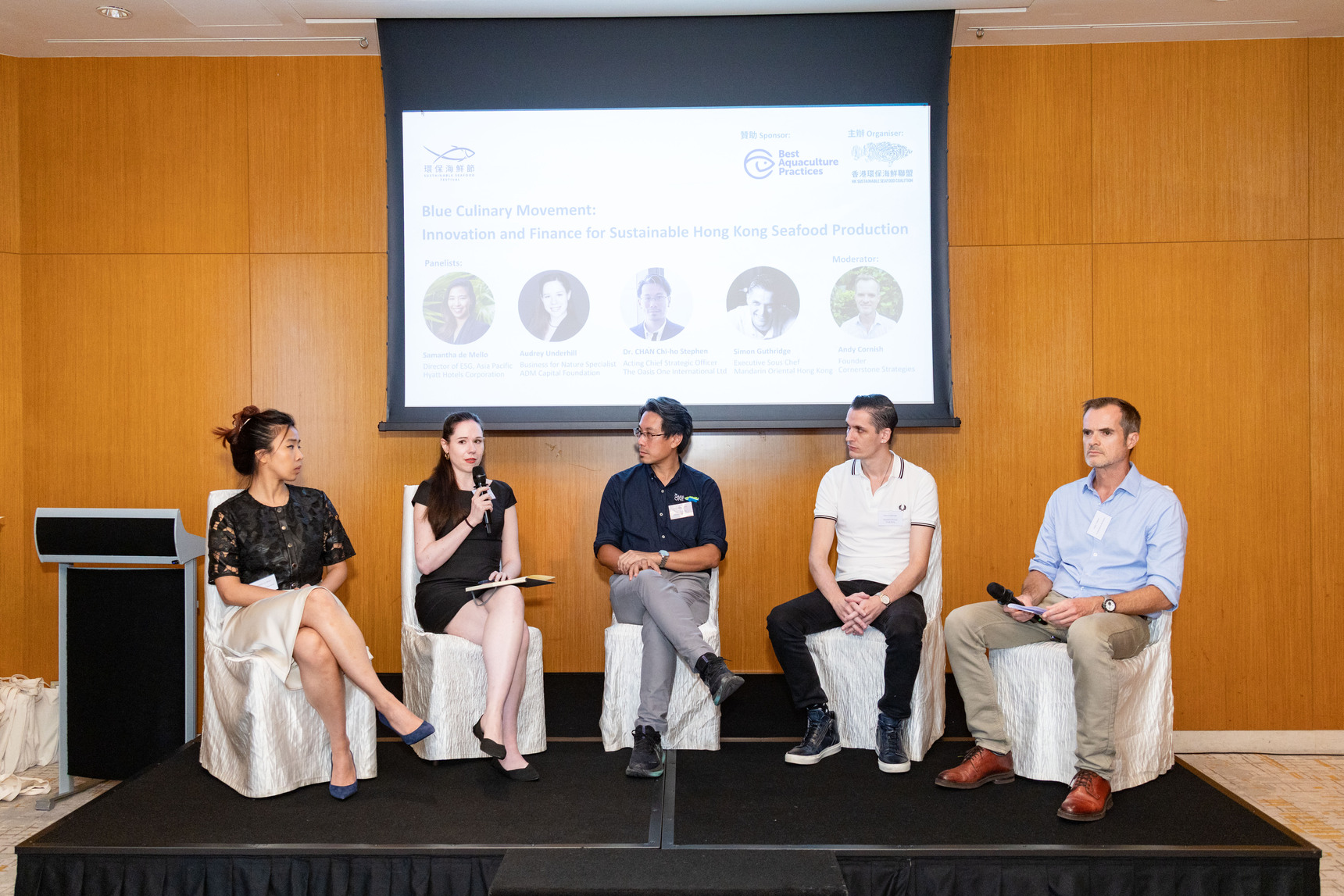 Audrey Underhill, the second from the left.
Audrey Underhill, Business for Nature Specialist, ADM Capital Foundation, explained that a positive environmental story alone is not enough to make a company investable. Investors also examine social and governance performance, cash flow, market demand, the intended use of funds, data quality, and risks arising from a company’s dependence on nature.
Sustainability, she said, is “not a cherry on top.” It is increasingly treated as a core requirement for accessing capital.
A case study from Australia illustrated how finance can enable practical change. An inland lobster farming company had been transporting seawater to its facility by truck. The practice was expensive, emissions-intensive and difficult to scale. Financing enabled the company to build a pipeline connecting the facility directly to the sea.
The investment supported business growth while eliminating much of the transport-related emissions. The company also developed additional uses for lobster shells, creating new revenue opportunities from material that might otherwise have become waste.
The example showed that finance does more than reward companies that are already sustainable. It can provide the capital needed to change infrastructure, improve operations and make more responsible business models commercially viable.
This message matters for East Asia. Many seafood producers in the region recognize the need to improve their operations but face significant financial and technical barriers. Buyers, financial institutions, governments and civil-society organizations must therefore work together to create credible transition pathways rather than simply dividing companies into “sustainable” and “unsustainable” categories.
Producers, suppliers, chefs, hotels, certification organizations and investors were all represented at the forum. In the opening remarks, Mandy described this combination of actors as a “powerful ecosystem.”
“Real sustainability cannot happen in isolation,” participants were reminded.
A producer may develop a more responsible product, but the market will not grow unless buyers recognize its value. A hotel may adopt a procurement policy, but it will not influence consumer behavior unless chefs can translate it into attractive dishes and meaningful stories. Producers cannot transform or expand their operations without access to finance, supportive policy and dependable market demand.
The same principle applies throughout East Asia.
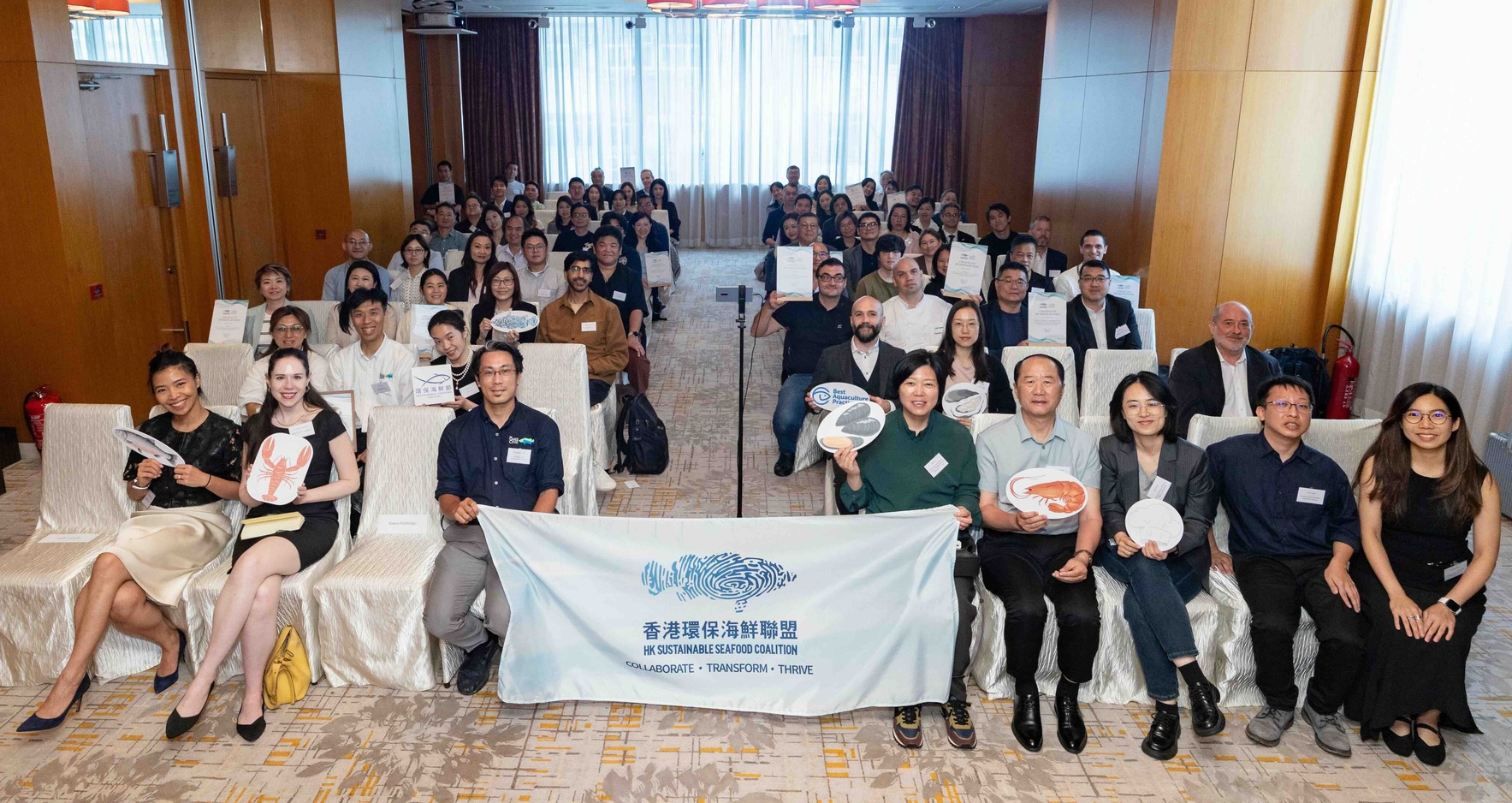
East Asian seafood markets share many species, suppliers, trade routes and sustainability challenges, yet efforts to address them are often organized within national or local boundaries. Greater communication among businesses, governments, researchers, investors, and civil-society organizations could help the region develop shared expectations, exchange practical knowledge, and send clearer demand signals to producers.
The Sustainable SEAFood Festival has evolved over five years from an initiative primarily focused on awareness into a platform that connects producers, retailers, hotels, consumers and finance.
Its experience demonstrates that market transformation does not begin with a single perfect solution. It develops through many practical actions: choosing one fish for a menu, asking a supplier for information about its origin, visiting a farm, explaining a local ingredient to a guest, financing new infrastructure or supporting a producer through an improvement process.
Each action may appear small. Together, they can reshape demand, investment and production.
The fifth anniversary is therefore not only an opportunity to celebrate what Hong Kong has achieved. It offers a useful question for the wider region: how can stakeholders in each East Asian market build their own ecosystems while learning from and collaborating with their neighbors?
As seafood supply chains become increasingly interconnected, the next stage of transformation will depend not only on leadership within individual markets, but also on East Asia’s stakeholders’ ability to move forward together.
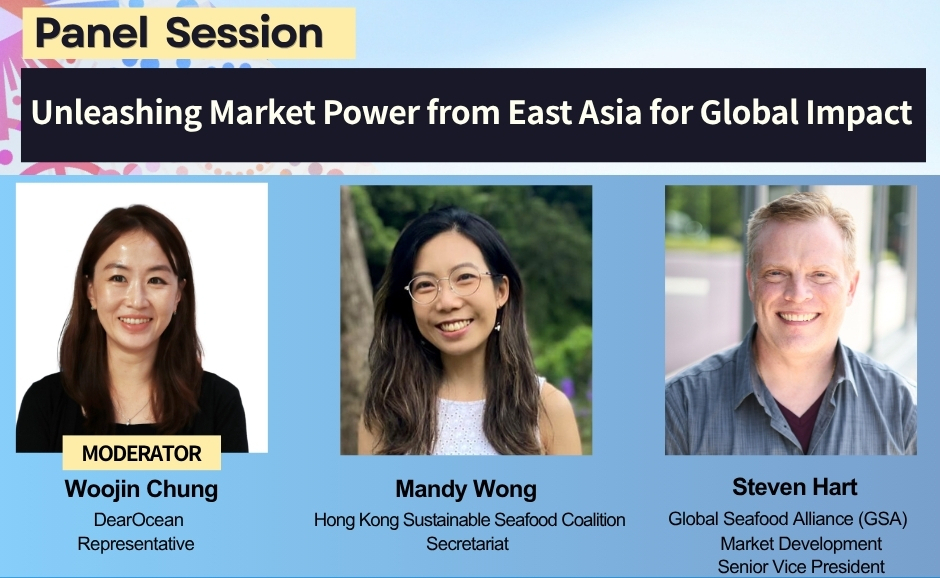
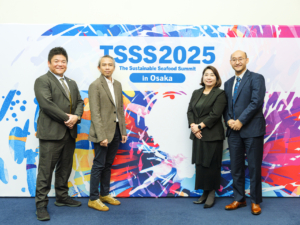
Join us at the Sustainable Seafood Summit featuring Mandy Wong, Secretariat of HKSSC!
October 21 | 13:20–14:40:Unleashing Market Power from East Asia for Global Impact
How can the East Asian market act as an economic lever for global change?
Mechanisms that enable responsible purchasing in East Asia to bring environmental and social changes at points of production will be explored.
share







































Key terms and concepts to understand seafood sustainability.