A Necessary Path for the Financial World: Making the Blue Economy a Commonplace Economy (Part 2)
Interview


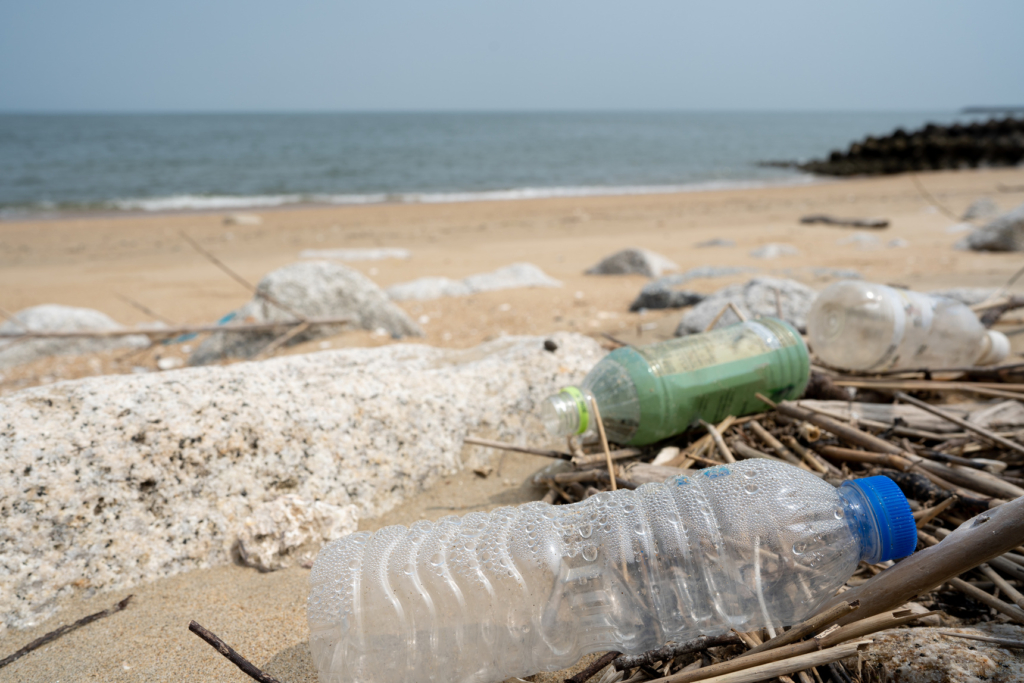
Marine pollution, along with climate change and biodiversity, is a serious environmental problem often referred to as one of the three major environmental issues. For companies involved in the fisheries industry, the problem of "marine plastic" flowing into the ocean is a particularly important issue that necessitates a reassessment of their business practices.
Consumer interest in this issue is high, and there are international movements to strengthen regulations. However, behind the risks lie new business opportunities. Strategically addressing this challenge can enhance corporate value, create new business opportunities, and contribute to solving the plastic problem.
This article provides a multifaceted analysis of the impact of marine plastic pollution, which originates in the fisheries industry, on the marine environment, and explains the risks and opportunities it presents.
Understanding the overall picture of the marine plastic problem and comprehending the challenges specific to the fisheries industry is the first step in developing effective strategies.
Data from around the world shows the severity of the problem, particularly regarding plastic waste originating from fishing gear.This is an urgent issue that the fisheries industry must confront head-on.
The problem of plastics flowing into the ocean and having a serious impact on marine ecosystems and the environment is called the "marine plastic problem" and has become a global environmental issue. The causes include not only plastic waste from daily life, but also plastic nets used in fishing and materials used in aquaculture (Figure 1), and countermeasures are needed as it is a problem that affects a wide range of fields.
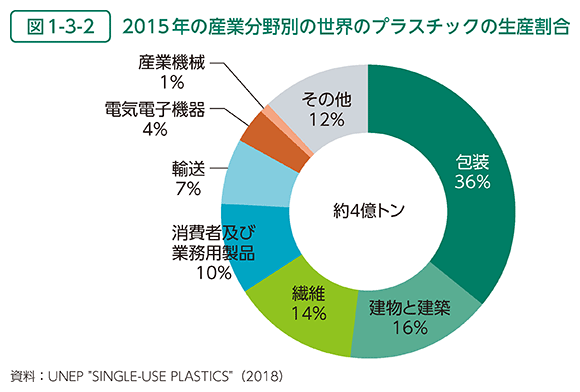
However, it is estimated that about 8% of the world's marine plastic waste originates from land.*1The majority of them arePlastic containers have become indispensable for food preservation and distribution.Some disposable containers, such as used plastic bottles and shopping bags, are not properly disposed of, becoming scattered waste that flows into rivers and eventually into the sea. Container and packaging plastics account for approximately 36% of global plastic production*2 and are estimated to account for about half of the world's plastic waste (Figure 2).
Figure 1:Breakdown of marine debris (plastics only) in Japan by type (by weight)
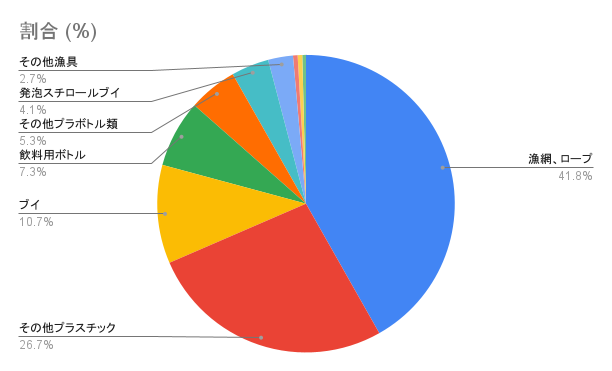
Figure 2: "Section 3: Marine Plastic Pollution and Biodiversity Loss" (Ministry of the Environment website)
The world's oceans already contain a vast amount of plastic waste, and that amount continues to grow.
According to the Ministry of the Environment, it is reported that approximately 1100 million tons*2 of plastic waste flow into the ocean worldwide every year. The majority of plastic waste is generated by Asian countries, accounting for about 8% of the total*3. Furthermore, it is predicted that by 2050, the amount of plastic in the ocean will exceed the total weight of all fish in the ocean*2. A shocking prediction has also been made that if this pace continues, the weight of plastic in the ocean will exceed the total weight of fish by 2050*4.
A particularly significant factor contributing to the serious damage to marine life is abandoned, lost, or discarded fishing gear, also known as "ghost gear" (discarded or lost fishing gear).
At least 50% of the world's total marine debris is estimated to originate from fisheries, with an estimated 100 to 1 million tons of fishing gear flowing into the ocean annually.* 4,5 On the coast of JapanGhost GearHowever, it has been pointed out that they account for a large proportion (about 50-60%) of the plastic waste that washes ashore. *6 Fishing nets and ropes, which are ranked number one in the breakdown in the table above, are not managed by anyone.There is a problem called "ghost fishing," where the fish drift in the ocean after becoming entangled in marine life and affect their habitats.Fishing gear such as gillnets, fishing lines, and ropes can entangle fins and tails, causing injury and death to marine life. Mammals, especially sea turtles, whales, and dolphins, are particularly vulnerable when their fins or tails become entangled in nets on the seabed, preventing them from reaching the surface and breathing, often leading to drowning.
Furthermore, abandoned fishing gear, dragged along the seabed by ocean currents, physically destroys coral reefs and seaweed beds that serve as spawning grounds and hiding places for juvenile fish. This has been shown to result in serious secondary damage to ecosystems, such as the loss of places where fish can breed and grow healthily, ultimately leading to a long-term decline in fish stocks. For these reasons,ResultMarine lifeThis can also deplete resources. Because it occurs in the ocean, which is difficult for humans to manage, the damage is often difficult to notice, and the problem can become prolonged.
Against this backdrop, the "Code of Conduct for Responsible Fisheries" was adopted at the General Assembly of the Food and Agriculture Organization of the United Nations (FAO) in 1995.*Section 7 includes requirements aimed at deterring ghost fishing, and it has been recognized as a global issue.
The Great Pacific Garbage Patch, a massive collection point for waste, holds about 1% of the world's ocean plastic waste.浮遊するplastic wasteOf the approximately 45,000 to 129,000 tons,Approximately 46%Fishing nets, fishing lines, ropes, etc.Some reports indicate that it is related to fishing gear*8. Even when limited to plastic waste that washes ashore on Japanese coasts, the Ministry of the Environment reports that approximately 5% of it originates from fisheries*9, which is an extremely significant issue for the fisheries industry, which relies on the bounty of the ocean.
Not just fishing gear, but anything that has drifted into the seaPlastic can be life-threatening to sea turtles and other marine life if they mistake it for food and ingest it, or if it gets entangled in their bodies. Furthermore, as it drifts, it is tossed about by waves and broken down by ultraviolet light into tiny particles called microplastics, which are less than 5 millimeters in diameter.*10. Fish ingest these additives from seawater and their prey, and the accumulation of these additives in plastic products in their body tissues such as muscles and liver negatively impacts their growth.* 11Furthermore, it has been pointed out that accumulated additives can become concentrated in the bodies of higher-level consumers, including humans, through the food chain, potentially causing various health problems.* 11. Furthermore, microfibers generated when washing clothes containing synthetic fibers pass through sewage treatment plants and eventually flow into the ocean via rivers.
Amid growing concerns about marine plastic pollution, efforts to strengthen legal regulations are accelerating worldwide. Globally, in particular, there is a growing movement to develop treaties that regulate the entire lifecycle of plastics, from production to disposal.Intergovernmental Negotiating Committee on Plastic Pollution (INC)The discussions are underway, covering a wide range of topics from regulating plastic production to waste management.
At the 6th Intergovernmental Negotiations (INC6) held in August 2025,TogetherAlthough it was not something that was intended at the time,*12 if this treaty is established, it could potentially lead to the creation of common international rules regarding the materials, design, traceability, and disposal methods of fishing gear in the future, which remains an important management issue. Companies that cannot respond quickly to such strengthened regulations may suffer direct disadvantages, such as losing access to certain markets or facing unexpected restrictions on their business activities, so it is essential to stay informed about the latest developments and be prepared.
While marine plastic pollution is often perceived as a business risk, a change in perspective can reveal it as a source of new business opportunities.
By strategically and proactively addressing this challenge, it is possible to enhance corporate value, establish a competitive advantage, and create new businesses that will become future growth engines.
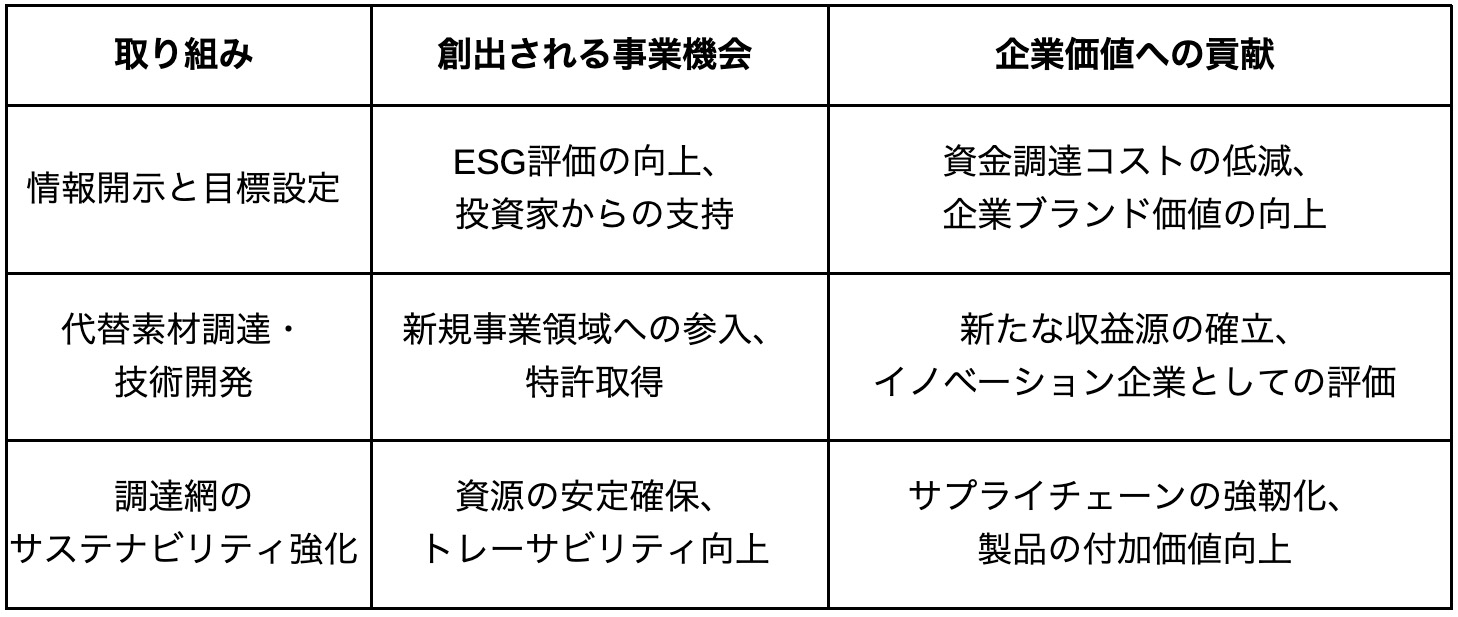
A sincere commitment to the marine plastic problem is highly valued by society as an action that symbolizes a company's sustainability management.
ESG rating agencies and investors use these initiatives as indicators of future risk resilience and growth opportunities.LookTherefore, it directly leads to an improvement in the company's reputation.
As a result, you can expect benefits such as easier fundraising and easier attraction of talented personnel. Furthermore, it will strongly appeal to consumers seeking environmentally friendly products, leading to improved brand image and increased customer loyalty.
The societal shift away from reliance on plastics will create new business opportunities.For example, developing and selling fishing nets and ropes made from biodegradable materials that decompose in the marine environment is an area where fisheries businesses can make the most of their on-site knowledge. Furthermore, it's conceivable to build a circular business model that views used fishing gear not merely as waste, but as a "resource," and upcycles it from collection to regeneration and then into new products.
Being the first to embrace innovations in alternative materials and recycling technologies not only contributes to solving social issues, but can also serve as a powerful engine for establishing a competitive advantage and opening up new business areas.
Furthermore, these initiatives are not limited to companies.中WestPacific Tuna CommissionSo, research using fishing gear that does not involve marine life, or biodegradable fishing gear devices.ProjectsThis is also being done.Because this is a global problem, research and initiatives across the entire region are crucial.
Measures to address the marine plastic problem, particularly the Ghost Gear problem,It also contributes to the conservation of marine resources.We contribute to this effort. By working with fishermen and local communities to establish a proper management and retrieval system for fishing gear, we can prevent the loss of marine resources due to ghost fishing.
This fulfills a company's social responsibility while simultaneously enhancing the sustainability of the marine resources it handles. From a long-term perspective, it brings essential benefits to business continuity, such as ensuring a stable supply of raw materials and strengthening the supply chain.
Please also refer to the section on "Strategic Use of International Certifications" which will be discussed later.
Several companies, both domestically and internationally, have already begun taking concrete actions to address the marine plastic problem, and are seeing business results from these efforts.
One measure that fisheries companies can take is the recycling of used fishing gear. REMARE Co., Ltd. is developing a business that transforms composite plastics, which have previously been considered difficult to recycle, into new materials using its unique technology.
The company's "GYOG" project collects discarded fishing nets and other materials and upcycles them into fixtures and equipment used in stores, making it an advanced example of how fisheries-related companies can cooperate.
This initiative not only directly contributes to reducing marine plastic waste, but also demonstrates the company's environmental awareness both internally and externally by transforming waste into valuable products.
Furthermore, the company has collaborated with Urban Research's "JAPAN MADE PROJECT TOHOKU" and Fisherman Japan to develop and sell a collection of key charms and other items that utilize discarded fishing nets and marine plastics generated in the fishing industry as resources. Recently, they have also been attracting attention for undertaking new co-creation projects in collaboration with local governments.
【Reference】REMARE | project relationship
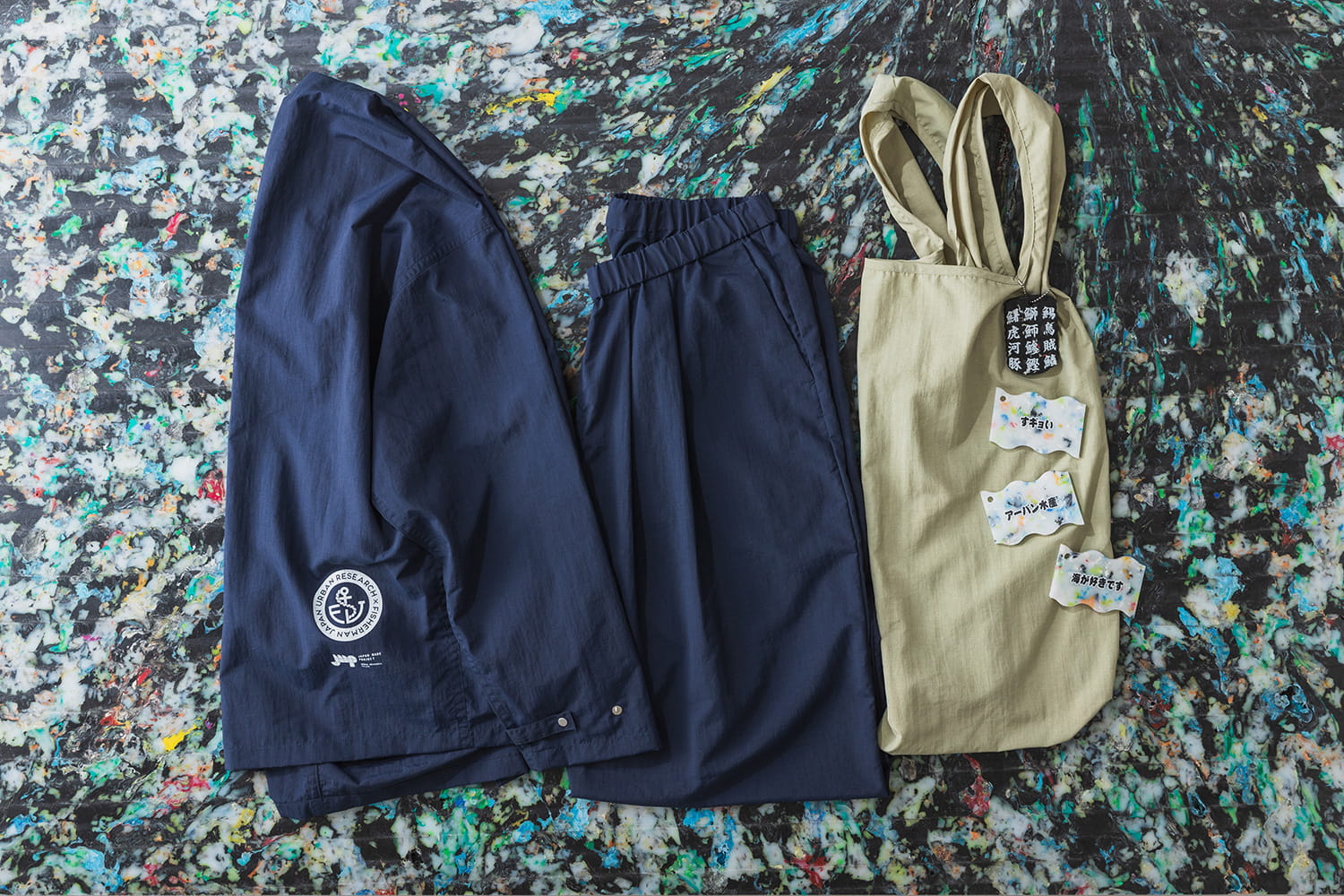
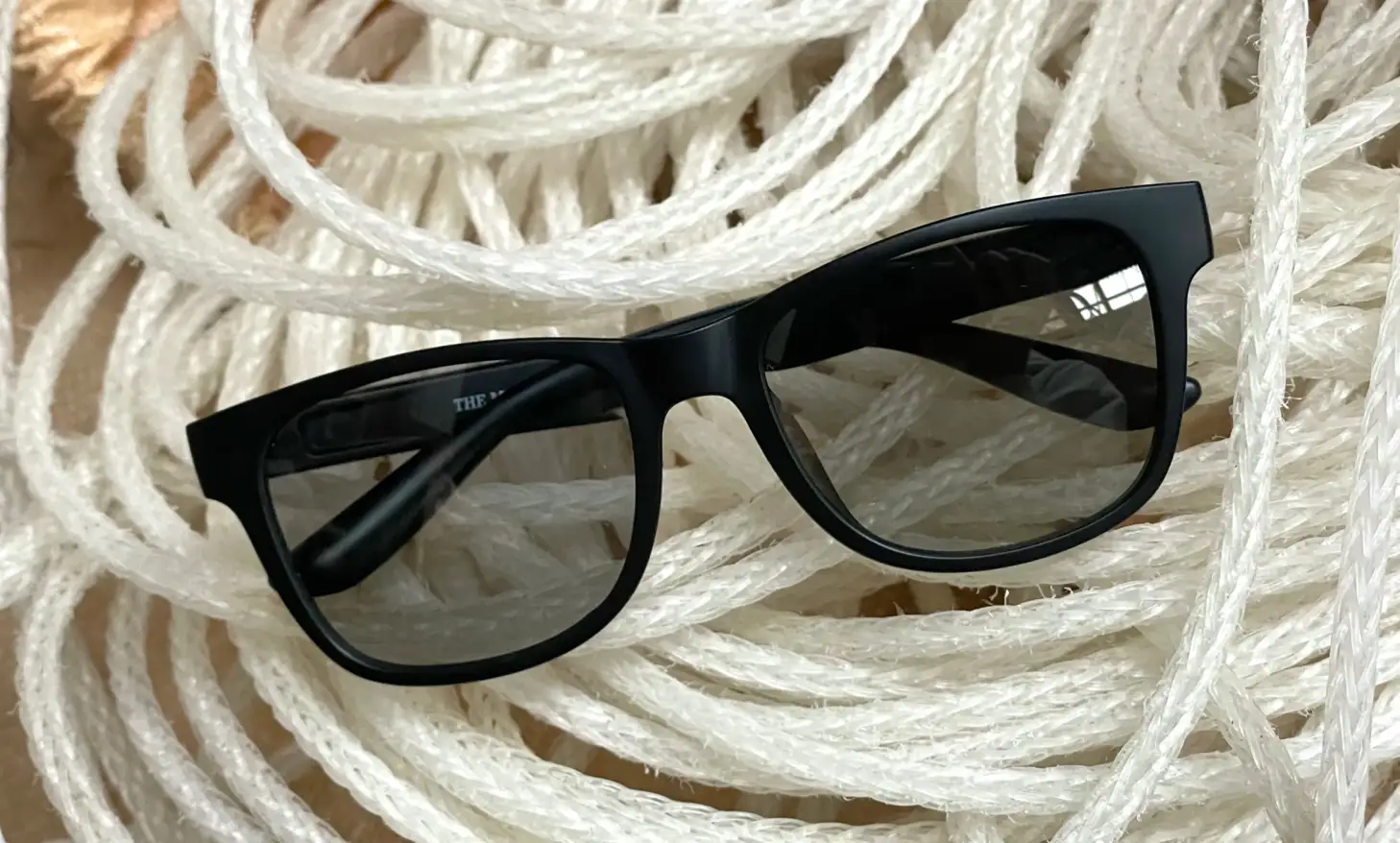
Amu Co., Ltd., based in Kesennuma City, Miyagi Prefecture, is building an innovative circular model that transforms discarded fishing gear, which plays a significant role in the marine plastic problem, into a "resource." The company directly collects and purchases used fishing nets, which have a serious negative impact on the ecosystem as "ghost gear," from local fishermen, and recycles them into high-quality plastic raw materials and nylon yarn through its own unique process.
Our own brand, "amulapo," utilizes these recycled materials to develop durable apparel and interior products, giving new stories and practical value to what would otherwise be waste. Particularly noteworthy is the traceability that clearly identifies the origin of the fishing nets, and the community-based scheme that provides fishermen with reduced disposal costs and new revenue opportunities.
These activities are highly regarded as a leading example of a circular economy that balances regional economic revitalization with environmental protection. Currently, the company is accelerating co-creation projects in collaboration with government agencies and other industries, and there are high expectations for its future as a solutions company that addresses marine challenges, originating from the fishing town of Kesennuma.
【Reference】https://www.amu.co.jp/about
To ensure that addressing the marine plastic pollution problem doesn't end as a haphazard social contribution activity, but rather leads to business growth, a strategic perspective is essential.
In particular, effectively utilizing internationally trusted certification systems serves as objective proof of a company's efforts and is an extremely effective means of gaining the trust of stakeholders both domestically and internationally.
Japanese fisheries companies also have international certifications for sustainable fisheries.MSC (Marine Stewardship Council) certification,ASC (Aquaculture Stewardship Council) certificationAn increasing number of companies are promoting the procurement of seafood that has obtained the necessary certifications.
MSC and ASC certifications provide a reliable framework for implementing concrete measures in the supply chain to address not only the management of marine resources but also issues such as ghost gear and marine plastic pollution.
For example, the MSC certification standard aims to prevent the loss of fishing gear.Impact on the ecosystemControl measures to minimize the impact are clearly required.Fishing gearThis prevents the occurrence of ghost gear. Minimizing the impact on the ecosystem is required, which includes proper management of fishing gear and measures to prevent loss.* 13 Therefore, when a fisheries company procures MSC-certified products, it means that they are handling seafood from fisheries that are implementing ghost gear countermeasures or managing the associated risks.
Similarly, ASC certification requires a risk assessment of environmental pollution and the implementation of measures to minimize the impact on the aquaculture farm and its surrounding areas. This includes proper management of materials used in aquaculture, such as floats, and measures to prevent microplastics from flowing into the ocean, resulting in a comprehensive assessment of plastic pollution prevention measures.* 14
By strategically utilizing this certification on products and company websites, companies can clearly communicate their stance to environmentally conscious consumers and business partners, thereby enhancing their corporate value*15.
ASC and MSC are also members of the Global Ghost Gear Initiative (GGGI), which addresses the issue of marine plastic waste.Ghost Gear (Discarded/Lost Fishing Gear)We are working with partner companies to reduce [the amount of waste generated].
While marine plastic pollution is a challenge common to all industries, it is a particularly important management issue for the fisheries industry, closely related to supply chains and regulatory compliance, as it involves preserving a healthy marine environment, which is the foundation of the business.
Furthermore, given the high level of consumer interest, strategically addressing the reduction of marine plastic pollution can lead to increased corporate value, the creation of new businesses, and ultimately, a further enhancement of corporate value.
In the midst of these changes, what is needed is not just short-term solutions, but proactive action with a medium- to long-term perspective. By being mindful of procurement that addresses this issue throughout the entire supply chain, we can enhance social credibility and the value of the responsibility that companies fulfill. Because the fishing industry is so intertwined with the sea, it is especially important for us to take the lead in taking action.
share









































Key terms and concepts to understand seafood sustainability.