A Necessary Path for the Financial World: Making the Blue Economy a Commonplace Economy (Part 2)
Interview


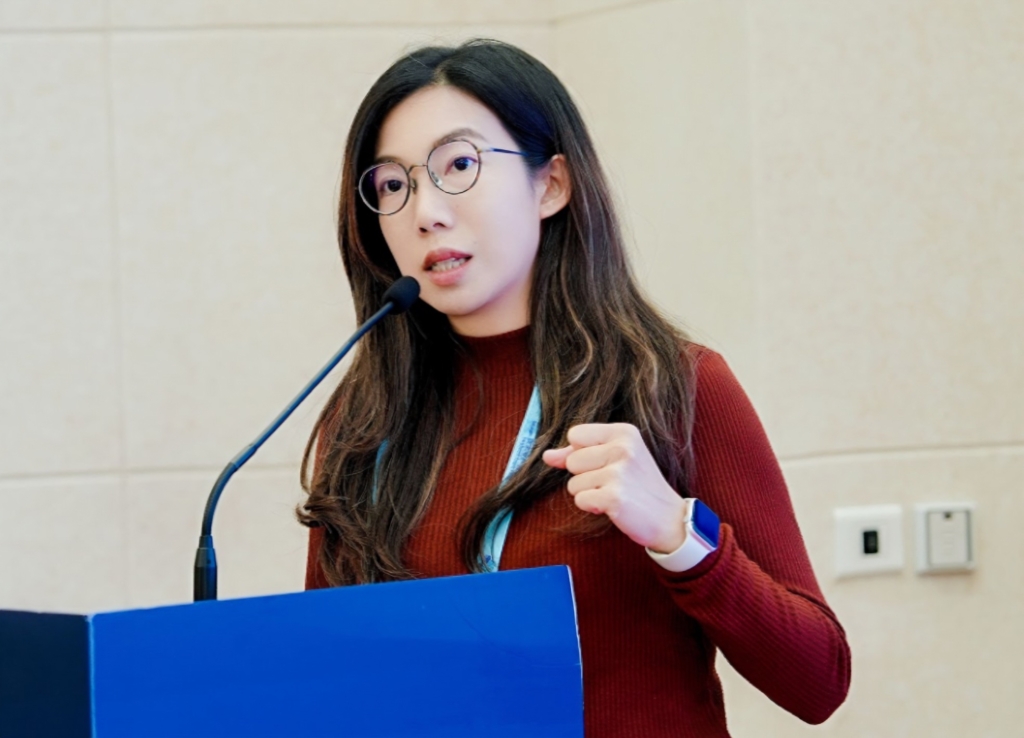
Hong Kong Sustainable Seafood Coalition (HKSSC)
Secretariat Mandy Wong
Mandy Wong is the secretariat of the Hong Kong Sustainable Seafood Coalition (HKSSC). In Part 1, she shared her sense of accomplishment from the Sustainable SEAFood Festival, held in Hong Kong in June 2026. She also spoke about her memories of seafood cuisine growing up in Hong Kong, and her journey and efforts, from studying in the UK to her current role as HKSSC’s secretariat.
In Part 2, she discusses how she sees the progress of sustainable seafood promotion in Japan, her strategy for mainstreaming sustainable seafood, and what she believes is needed for collaboration among Asian countries in particular. She also shares the message she wants to convey to participants at TSSS2026.
――How do you communicate with companies that are new to sustainable seafood?
In the limited time we have in business settings, I translate the message into practical strategies they can put to use right away in procurement and internal communication. For companies, seafood is just one topic among many, so it’s important to keep the message as light and concise as possible.
――You spoke at the 2024 Tokyo Sustainable Seafood Summit (its name at the time, later renamed the Sustainable Seafood Summit). How do you see the progress of sustainable seafood promotion in Japan since then?
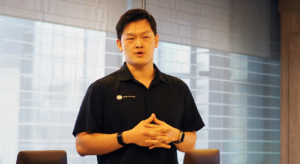
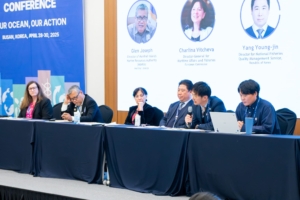
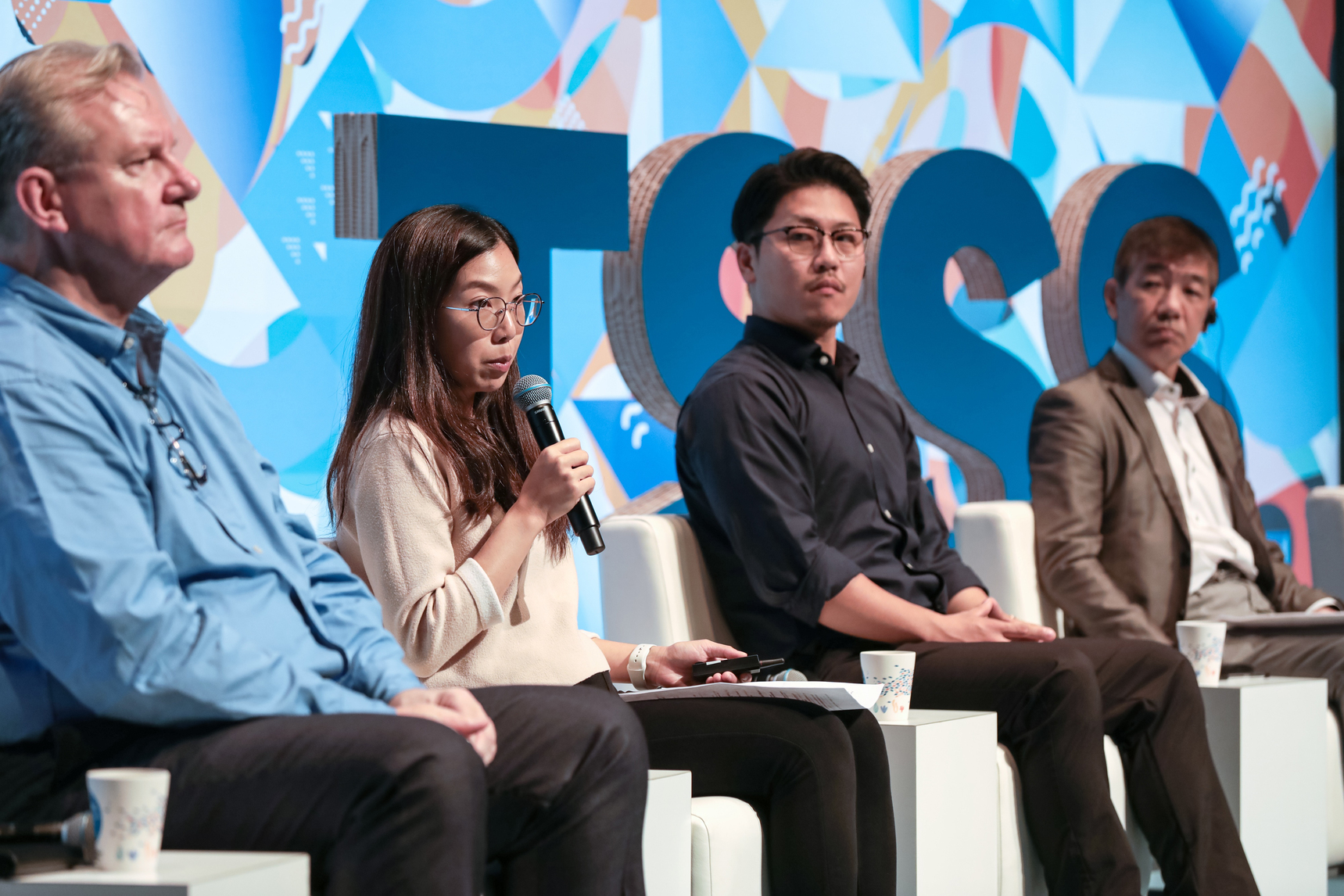 Mandy Wong (second from left) speaks at the 2024 Tokyo Sustainable Seafood Summit.
It’s wonderful that government support has become more substantial. What’s especially important is that classes on sustainability have been incorporated into elementary school curricula. I think this is a huge step forward as a systemic change that plants seeds in the younger generation. And it’s not just about education in schools, but the knowledge students bring home also influences their parents. So this kind of indirect education could be impactful.
When it comes to sustainable seafood, parents start making more thoughtful choices for their children. They’re no longer just considering the quality and safety of the seafood, but also taking a broader view, considering its sustainability. In other words, whether it was produced responsibly.
――Are there similar sustainable seafood education programs in Hong Kong?
Over the past few years, elementary and middle schools have started integrating sustainable living and food into their curricula. I’ve had the opportunity to give presentations to students, and the education sector becoming more receptive to the UN’s Sustainable Development Goals (SDGs) is truly inspiring. I believe bringing this topic into the classroom is crucial for cultivating systemic change.
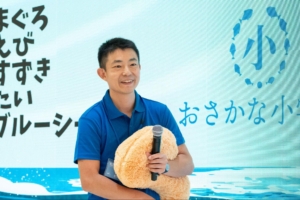
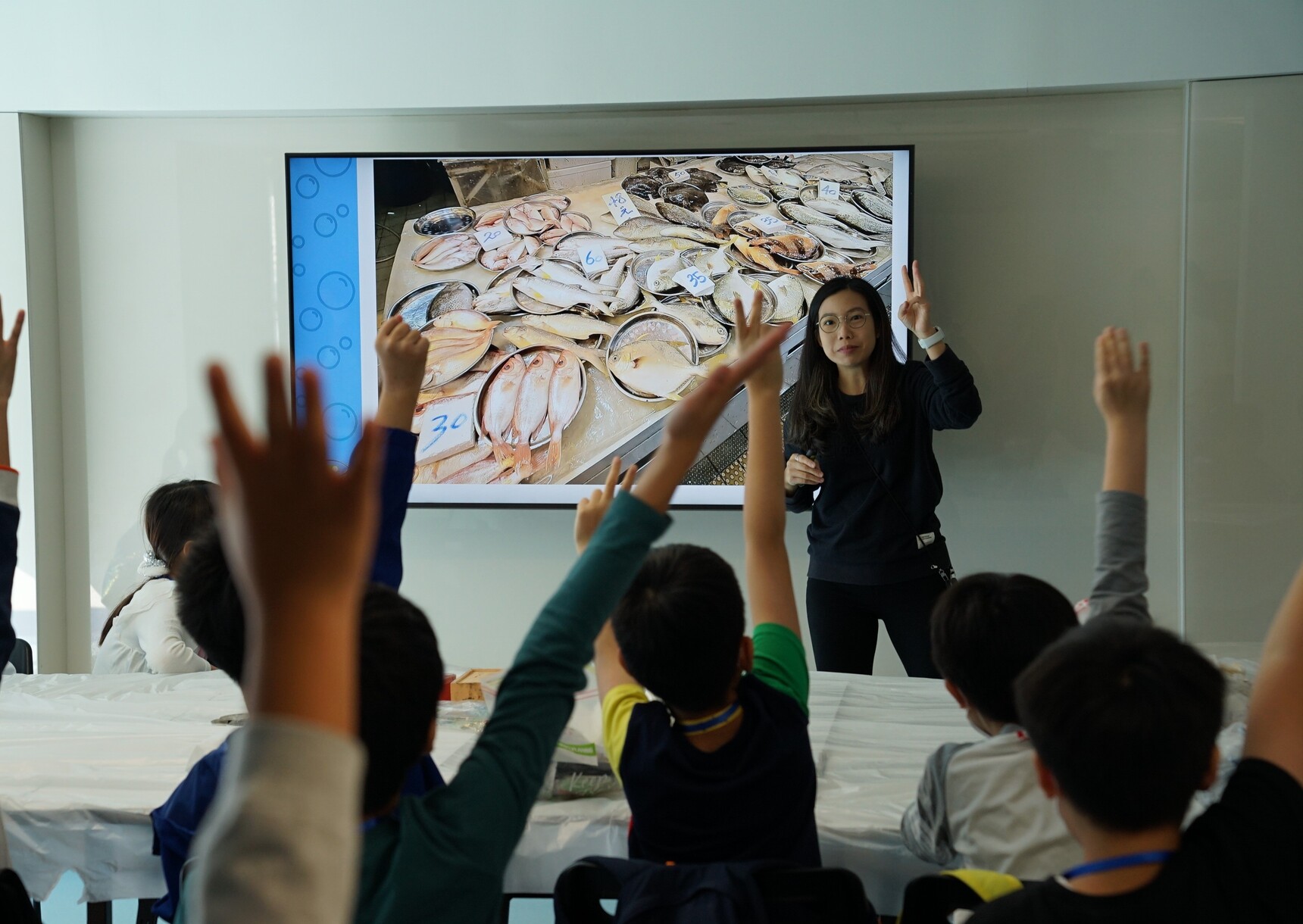 Mandy Wong gives a presentation on sustainable seafood at a primary school in Hong Kong.
――I understand that you are involved in two initiatives: raising consumer awareness of sustainable seafood through the ADM Capital Foundation’s Choose Right Today program, and advancing responsible procurement across the supply chain through HKSSC’s work. How do you balance your consumer-facing and business-facing activities?
Well, the two are like two wheels of the same cart, and keeping both wheels turning requires different strategies for each. Consumers and businesses have such different approaches that you could say they speak different languages, and their needs differ too. Probably, what’s needed most right now is to make sustainable seafood more approachable and more actionable, for both consumers and companies.
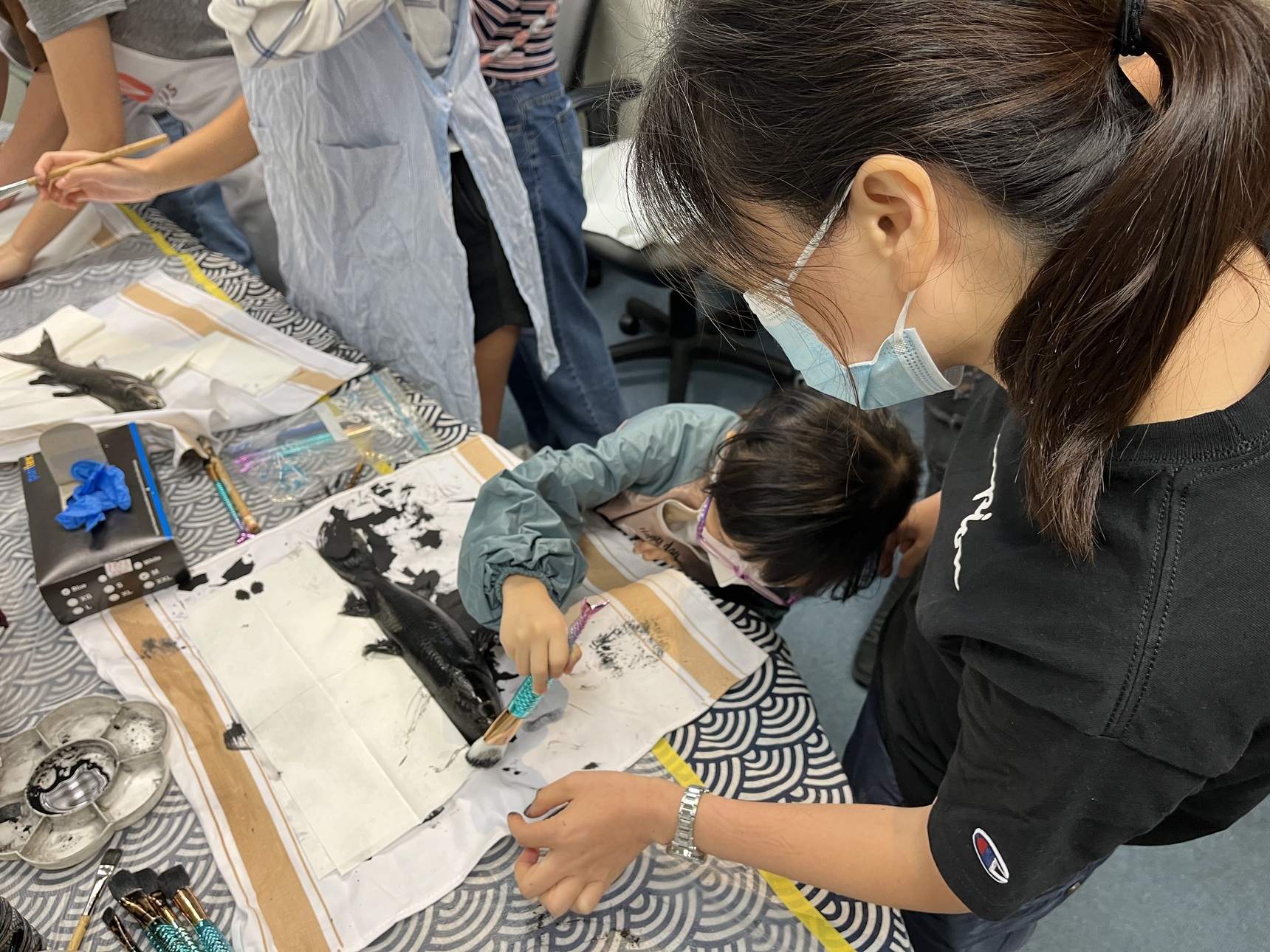 A fish-printing event for children is held as part of the Choose Right Today program.
 ――Making sustainable seafood more approachable and more actionable connects directly to the goal set at TSSS2024: mainstreaming sustainable seafood by 2030. What would it take to make that happen?
Sustainable seafood carries an image of being a “luxury item” or “expensive.” But in reality, that price reflects the cost of the work behind audits and certification. It’s the cost of guaranteeing that a product meets certain standards, is safe and traceable, and satisfies sustainability requirements. Buyers who don’t fully understand the background find the slightly premium price hard to accept.
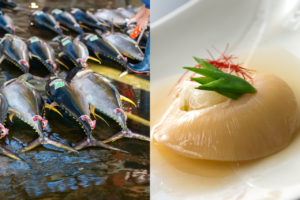
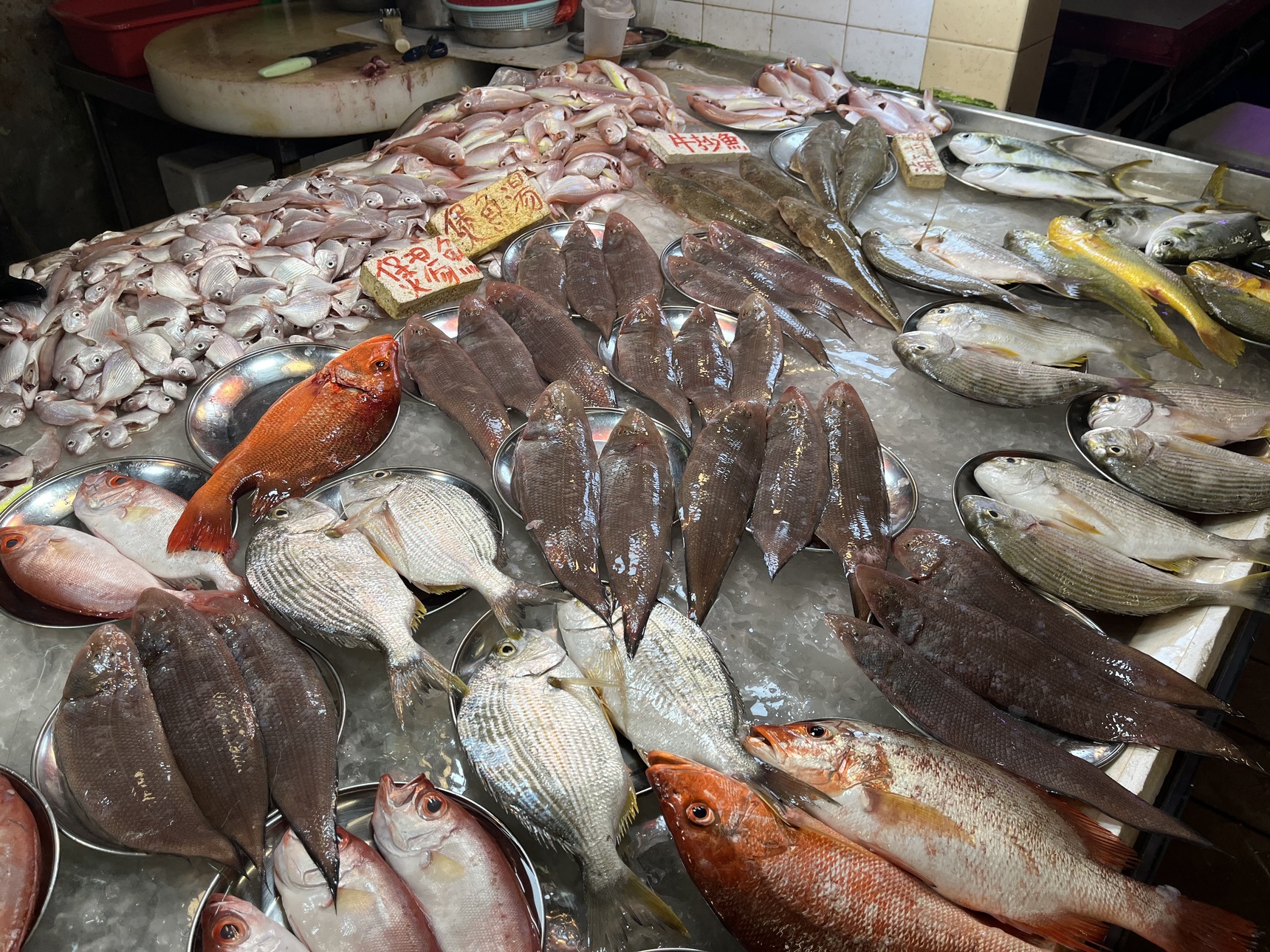 Fresh fish are displayed at a traditional seafood market in Hong Kong.
To make sustainable seafood more familiar, we also need to increase production itself. As supply grows and more items become available, consumers get more choices, and prices should settle at more accessible levels. In fact, there are more new sustainable products available in the market, like sea cucumber and yellowtail. After that, it’s just a matter of time before sustainable seafood moves beyond the stage of people simply “knowing about it” or “being aware of it,” and becomes something used as a matter of course in everyday cooking.
――That’s the right direction, but if the goal is to be achieved by 2030, what’s needed to accelerate the movement?
The timeline to get there is very tight. I think one thing we can do more is to bridge the market and production sides across Asia. Many places in East and Southeast Asia are blessed with diverse, rich marine resources. From the Philippines and Indonesia, up through the Western Pacific to Japan and Taiwan, there are many coastal countries and cities.
However, the evaluation frameworks for sustainable seafood are largely based on the Western models. So, we should establish a regional-specific framework, one that’s rooted in traceability, sustainability, and local context. That could help reduce our reliance on seafood from the West.
――That’s an important point.
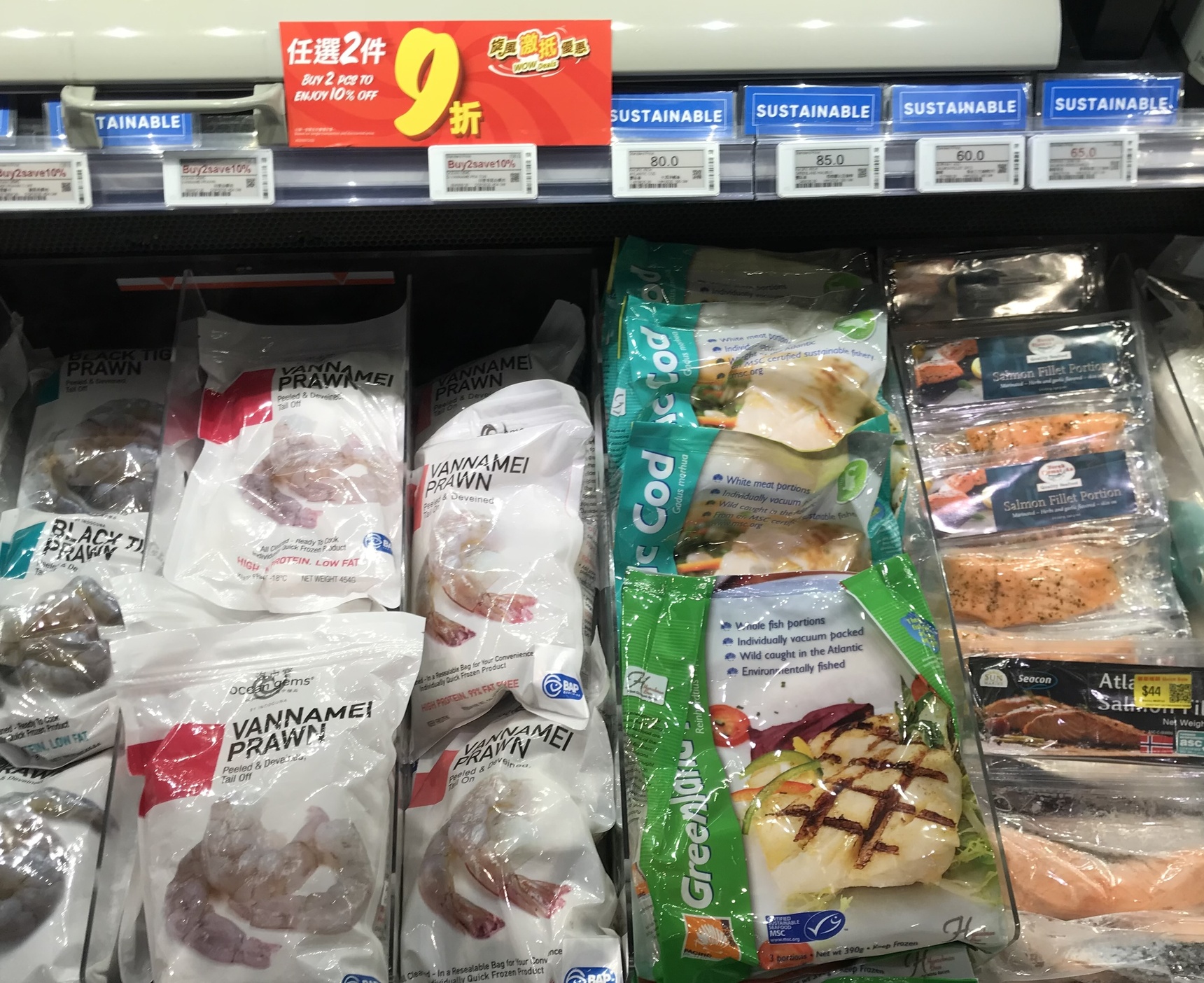 MSC-, ASC- and BAP-certified sustainable seafood is displayed at a supermarket in Hong Kong. (Photo courtesy of Mandy Wong)
――It requires broad efforts across a wide range of challenges to mainstream sustainable seafood, including moving beyond Western frameworks. What do you think is an effective way to tackle such difficult, complex issues?
I think it’s important for stakeholders to align on shared values and work hand in hand. If we can join forces with others who share the same goals, it will give the movement real momentum, since our work spans from the market to the production side, and we’ll gradually be moving into the finance sector too, as we keep building this ecosystem in Asia.
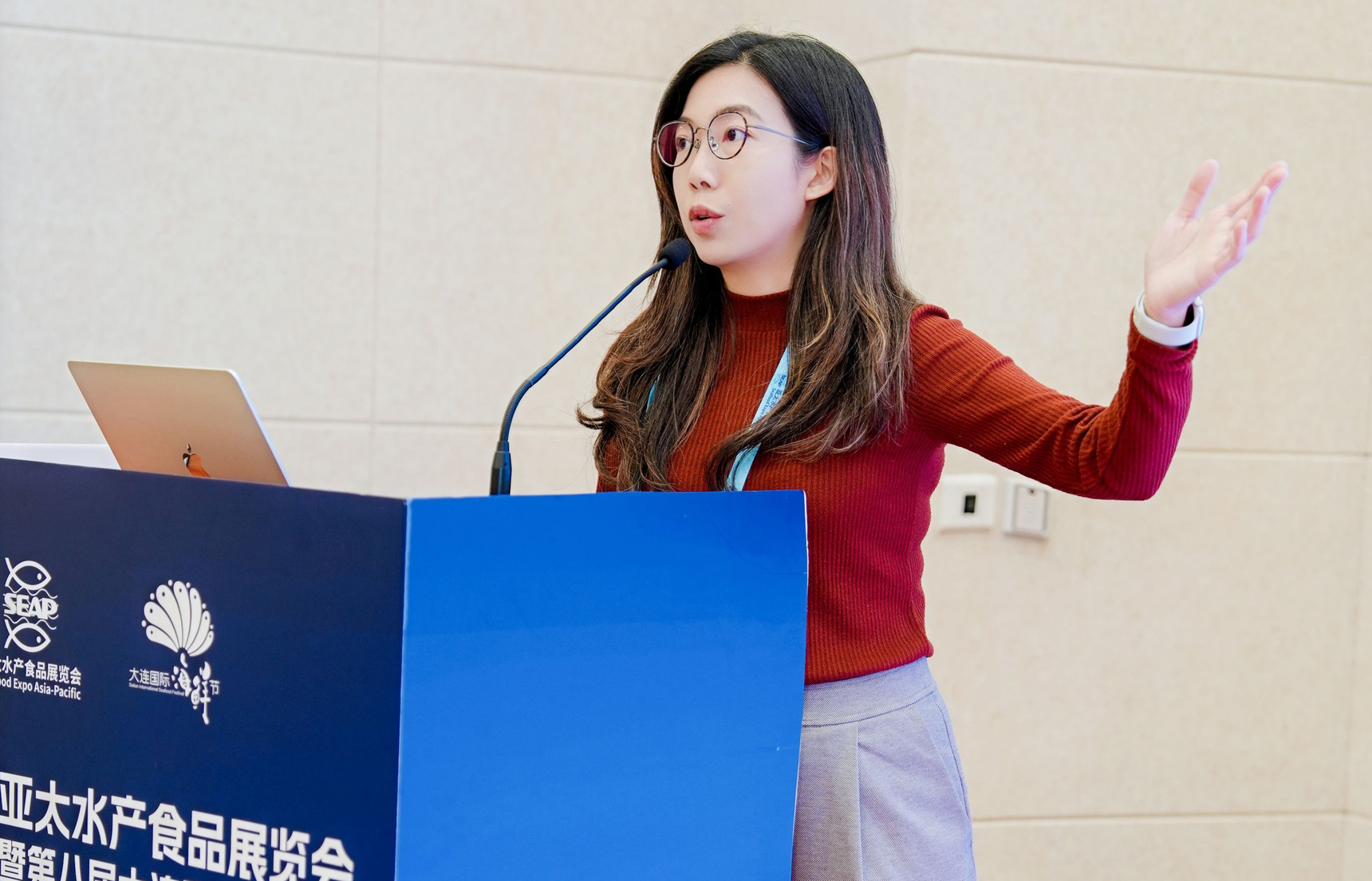 Mandy Wong speaks at the 2026 Seafood Expo Asia-Pacific and the 8th Dalian International Seafood Festival in Dalian, China, in May 2026. (Photo courtesy of Mandy Wong)
Once a new framework like this is in place across Asia, buyers will be able to source locally, costs will come down, and trust in the region’s seafood will grow. Sustainable seafood will become mainstream in households and small restaurants in each of our cities too. It’s not easy, but we’re picking up the pace of our work with regional partners, and I feel we’re moving in the right direction.
――Looking ahead, how can Hong Kong, Japan, and other Asian countries, as major consumption markets, work together to mainstream sustainable seafood across Asia? Are there any specific projects or ways of sharing information that could help?
This is challenging. It’s probably easier to build on what we’re already doing and widen its impact. For example, events like the Sustainable Seafood Summit (TSSS) and Hong Kong’s SEAFood Festival can take an open, welcoming stance toward neighboring countries and cities. Through platforms like these, cities and companies, as well as various sectors, can each promote sustainable seafood and drive it forward in their own way.
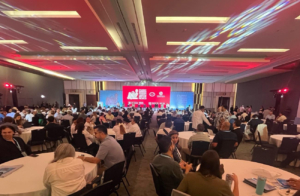
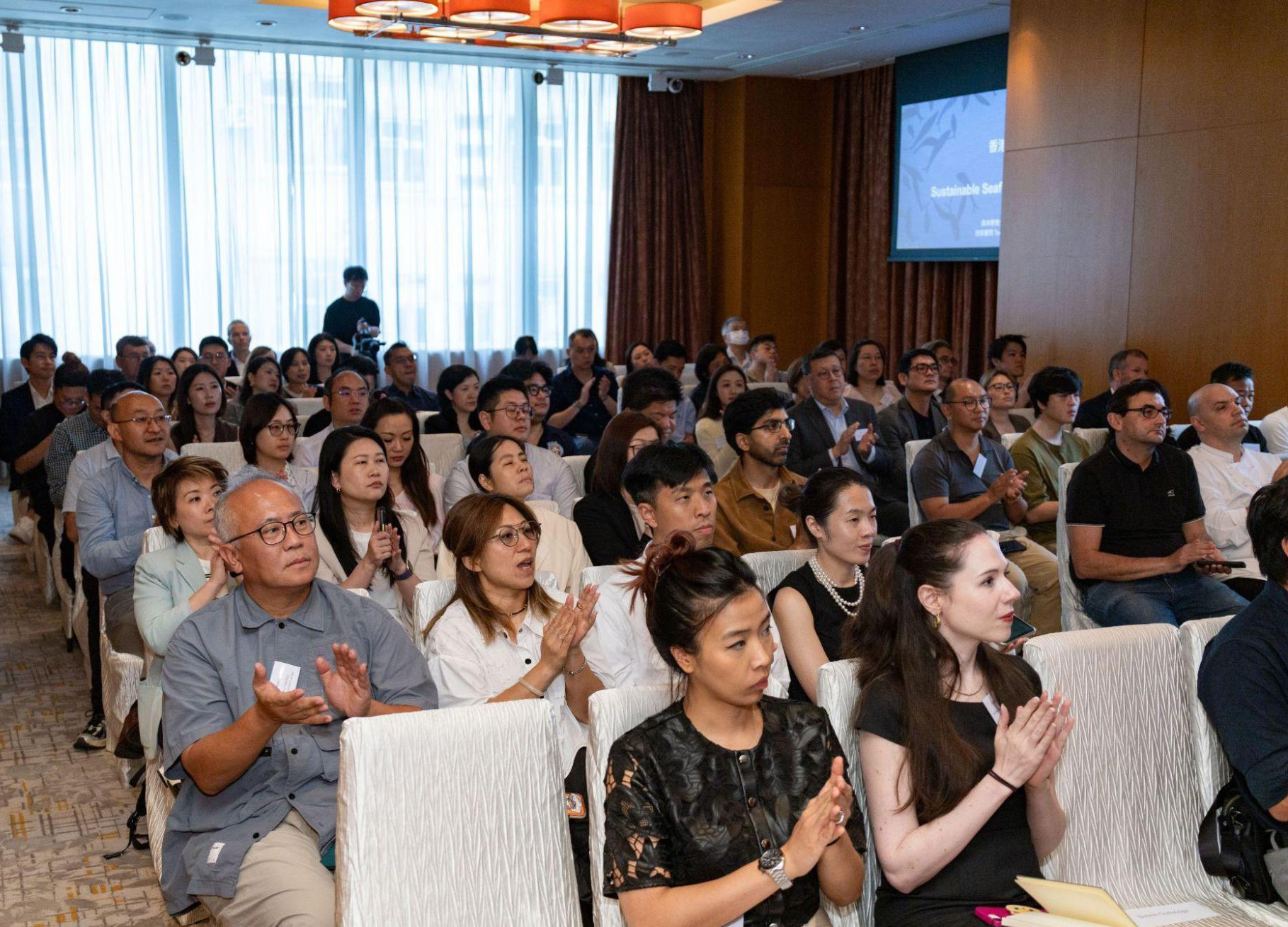 From the business forum of the SEAfood Festival 2026, held in Hong Kong in June 2026.
That said, we should keep in mind that each Asian country has its own culture, language, and systems. It’s not easy to build collaboration among different countries.
Therefore, I think mainstreaming sustainable seafood across Asia really depends on whether each country and city can build up its own efforts in its own way.
――You’ll be speaking again at the upcoming TSSS2026. The venue will bring together people from Japan’s financial sector, businesses, and government, among others. What message would you most like to convey to the participants?
True sustainability cannot be achieved in silos. I’d like to encourage everyone to be more open about sharing their ongoing progress and strategies for tackling challenges, not just celebrating achievements. When we build upon each other’s effort, we scale the impact and move forward faster together.
――Finally, what motivates you to keep working on ocean issues? It seems like there’s a single thread running through everything — from your childhood spent loving seafood and wildlife documentaries, through your studies in the UK and further study in Hong Kong, all the way to your current work.
That’s right. I don’t really want to frame it in terms of conservation, but that’s actually a fairly good description of what I have in mind. My motivation is to protect the beautiful marine environment and the creatures that live in it. Marine ecosystems are highly complex, amazingly created. And it’s truly beyond amazing how these creatures interlink with each other.
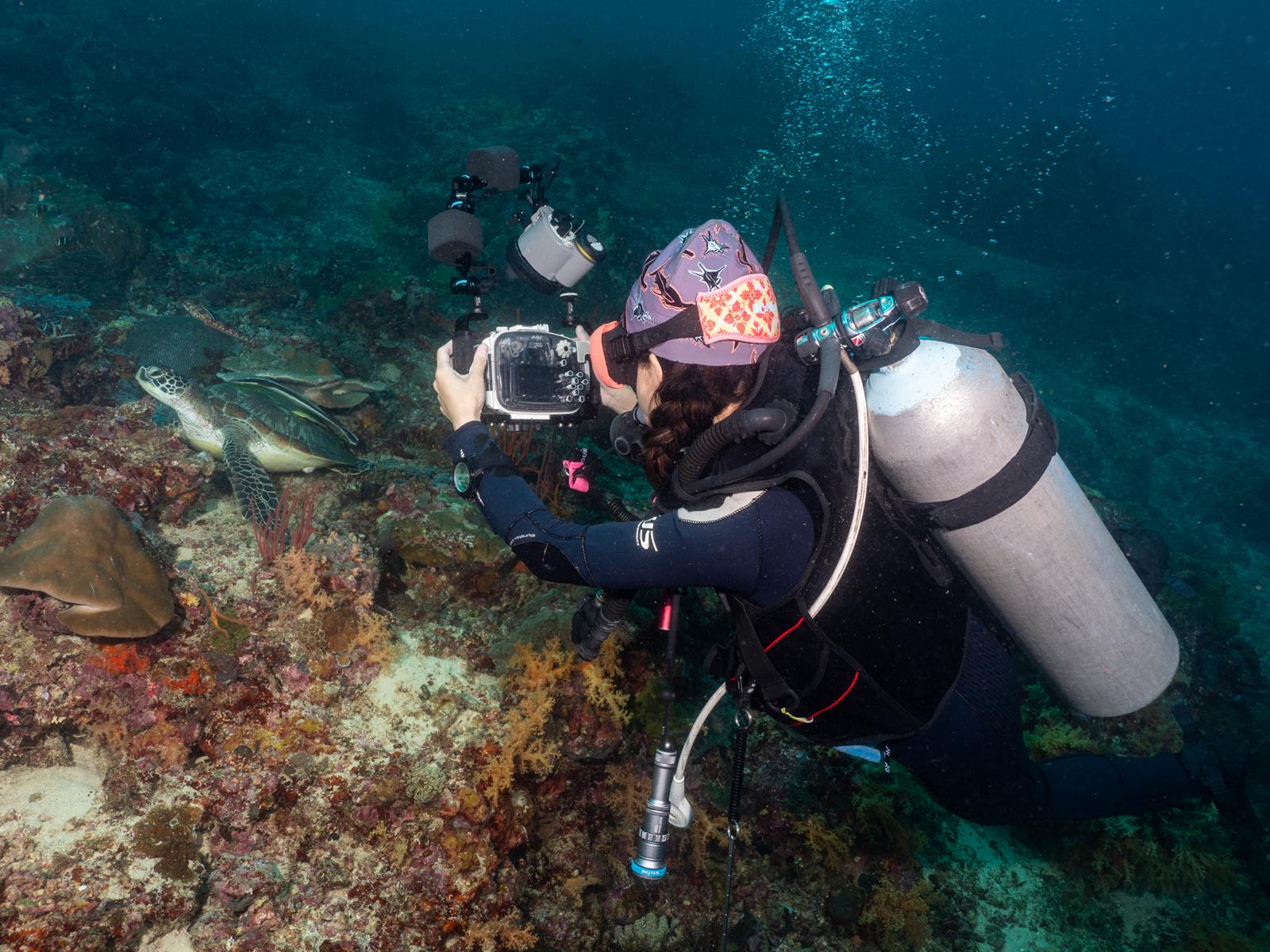 Mandy Wong enjoys diving in the beautiful waters off Cebu, the Philippines,
In our relationship with the ocean, we humans have so far been consumers and users. We rely on marine resources every day. And now, isn’t it time to also take on the role of protector? We must protect this beautiful ecosystem and the rich marine resources, for the sake of our rich food culture and the joy of being alive, for years and generations to come.
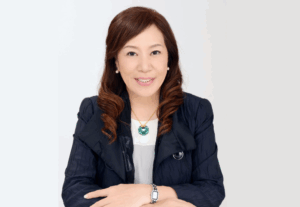
Mandy Wong
As the secretariat of the Hong Kong Sustainable Seafood Coalition (HKSSC), an industry-led platform dedicated to providing possible solutions to challenges facing the seafood industry, Mandy Wong supports corporate members in responsible sourcing and leads events such as the Sustainable SEAFood Festival. She studied marine and freshwater biology at the University of Glasgow from 2012 to 2016, and earned a master’s degree in environmental management from the University of Hong Kong in 2021. She has held her current position since 2022. She also runs “Choose Right Today,” the ADM Capital Foundation’s initiative to promote seafood sustainability among the general public. She works to mainstream sustainable seafood in the regional market by spreading awareness of seafood sustainability among businesses and consumers.
Interview and text by Chiho Iuchi
Chiho Iuchi is a writer covering primarily science, technology, and culture in both Japanese and English. After working at the Japan Finance Corporation for Small and Medium Enterprise (now the Japan Finance Corporation) and the English-language newspaper The Japan Times, she became a freelancer in 2016. In 2024, she completed a master’s program in sustainability studies at the Graduate School of Public Policy, Hosei University. She serves as a board member of the Japanese Association of Science & Technology Journalists.
share




























Key terms and concepts to understand seafood sustainability.